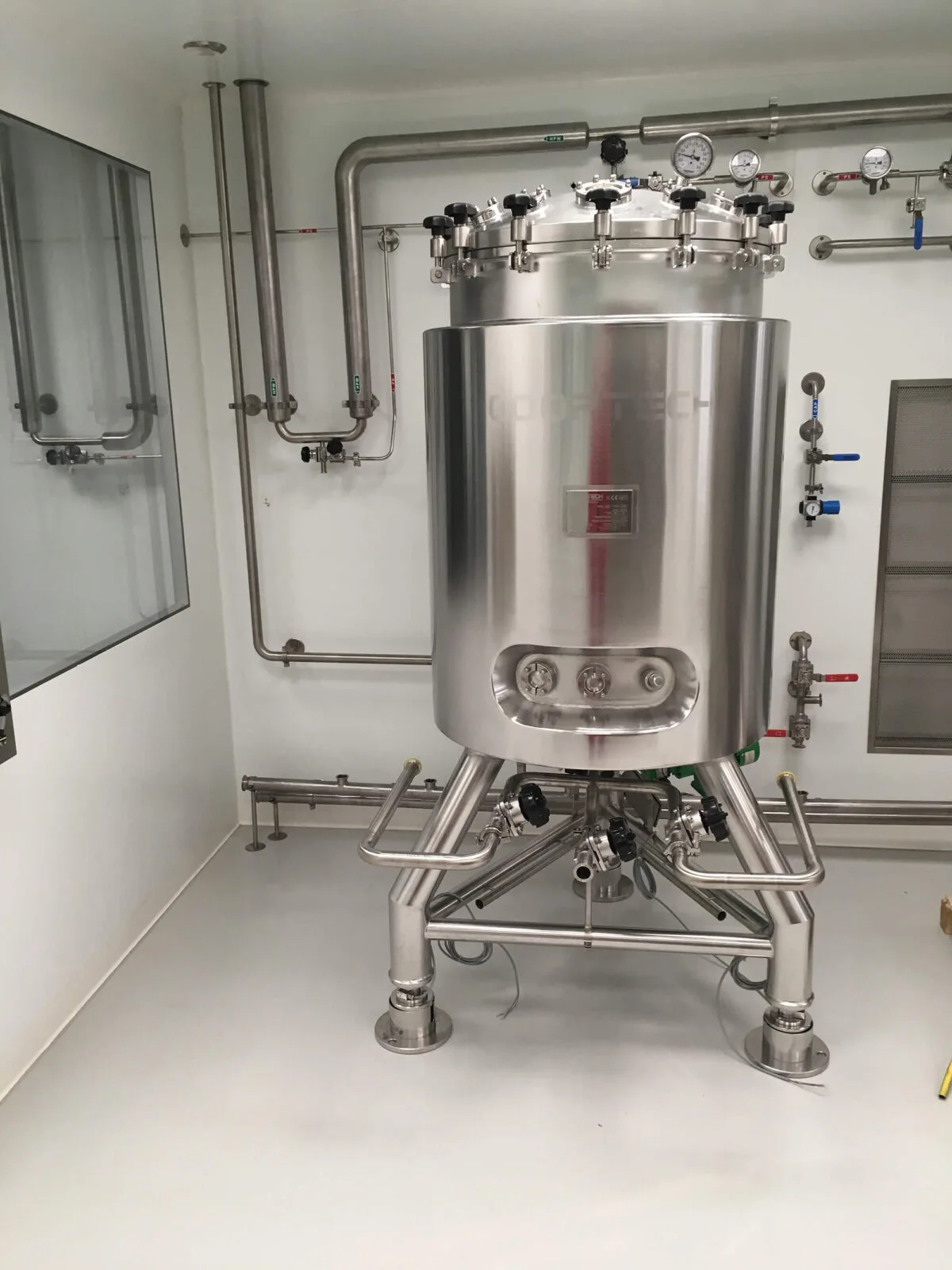
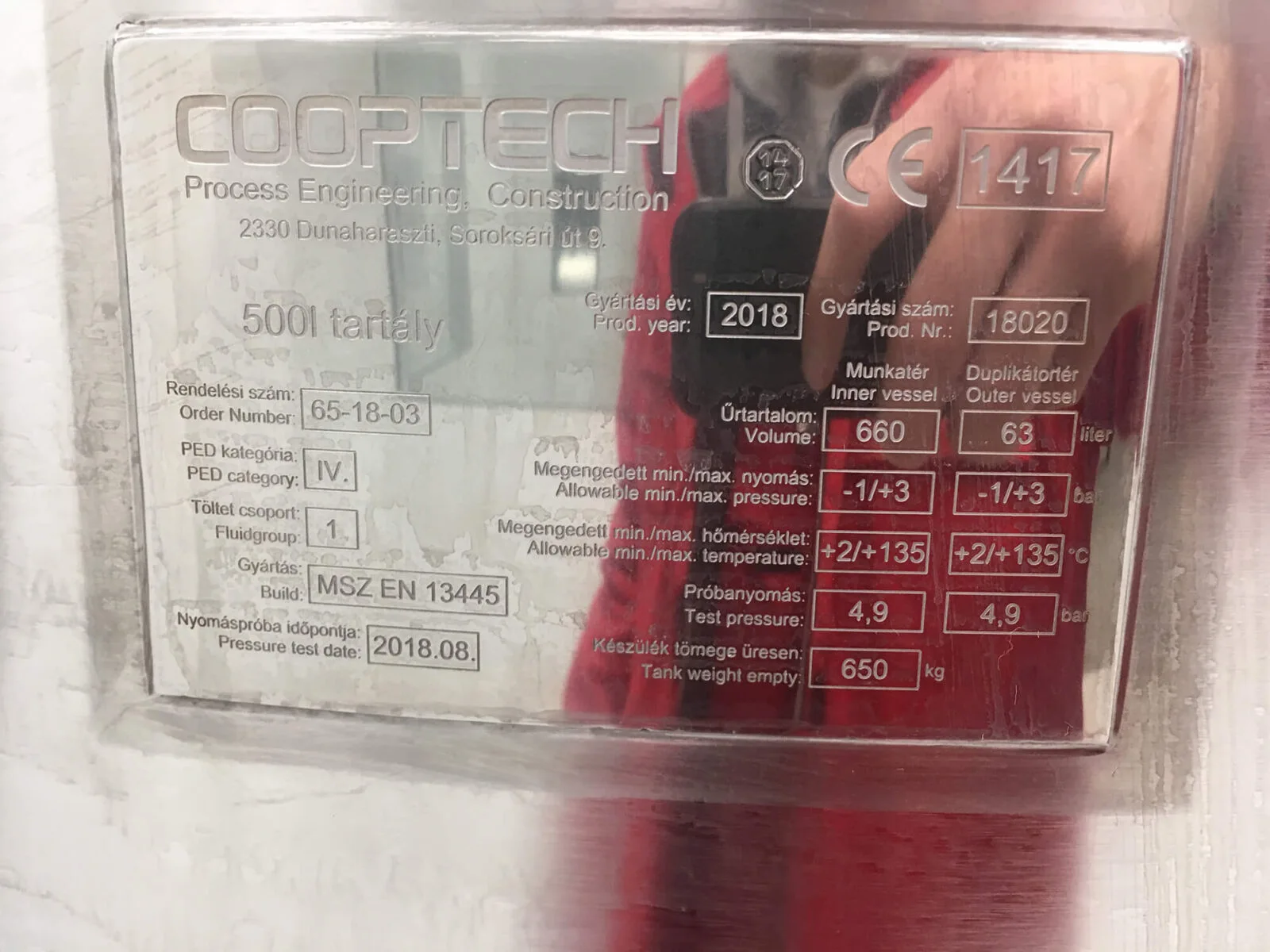
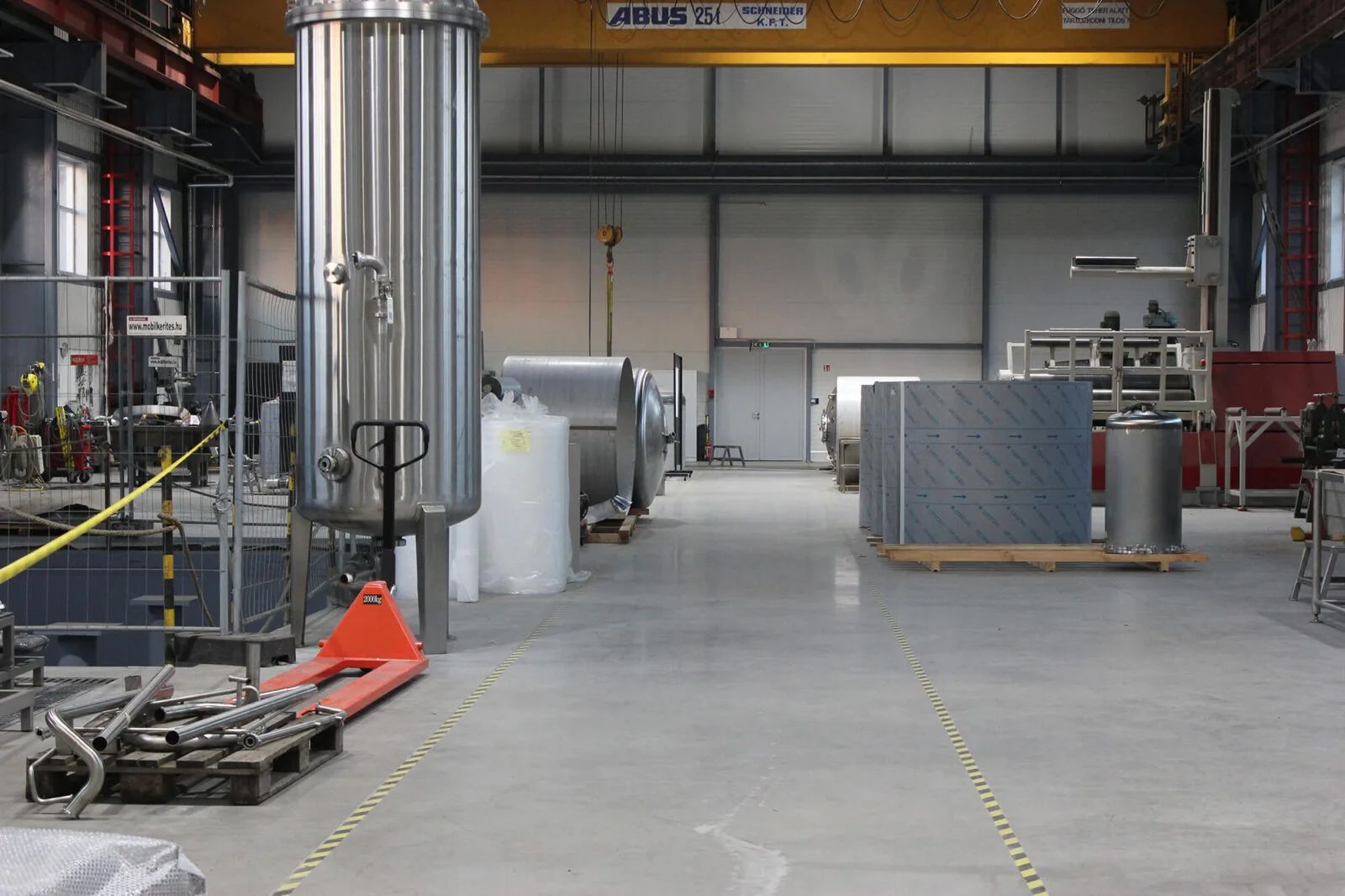
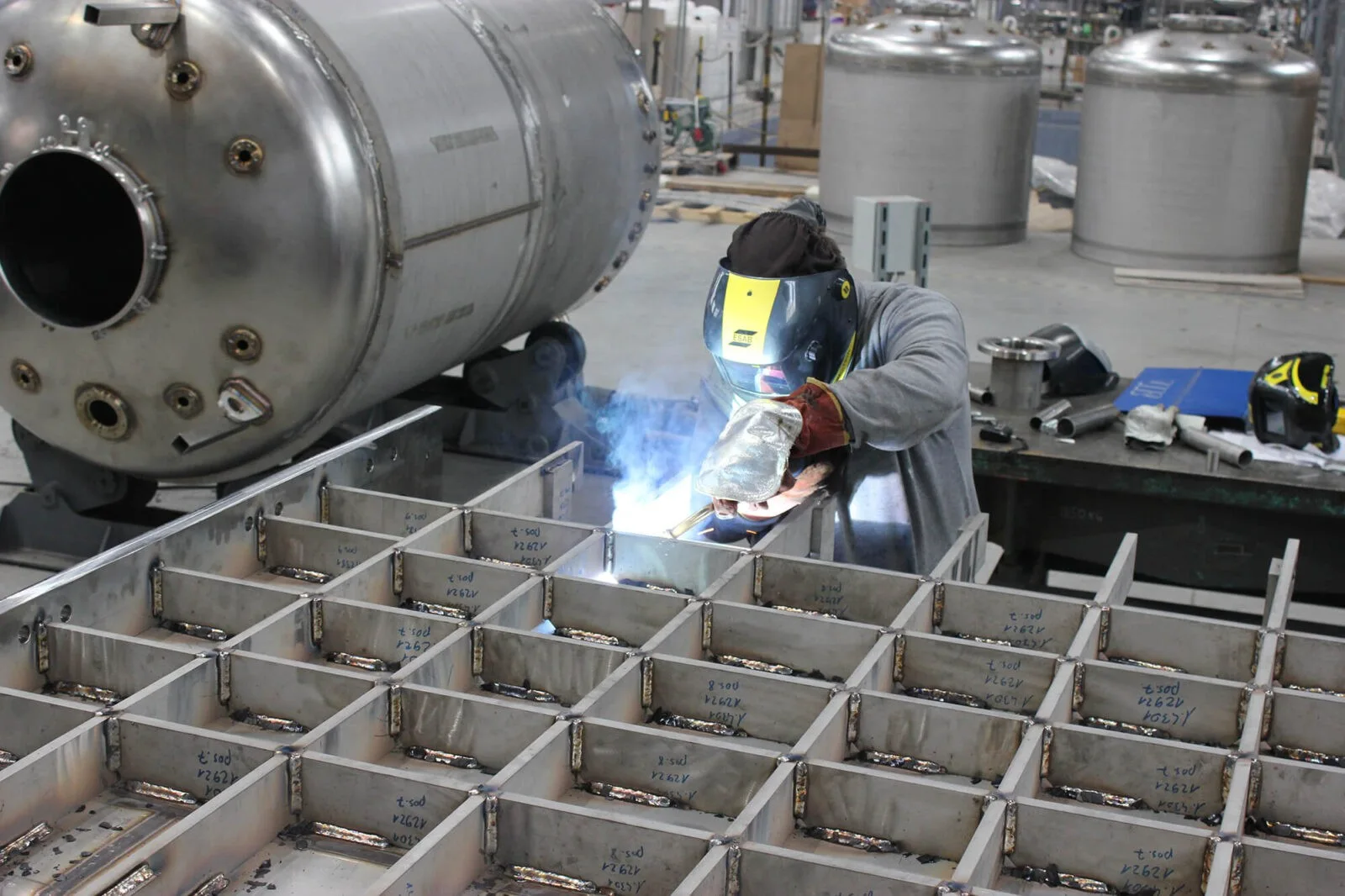
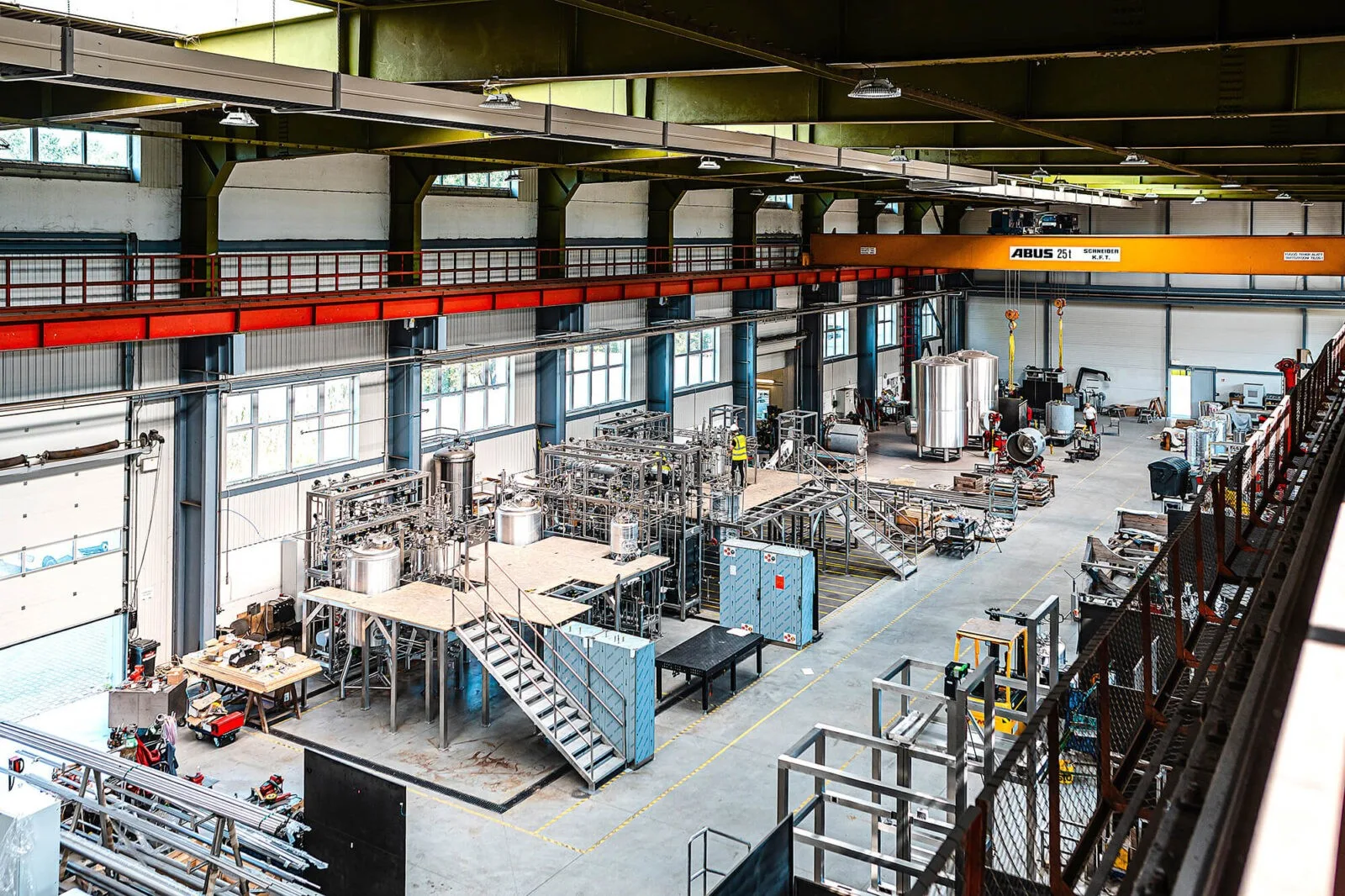
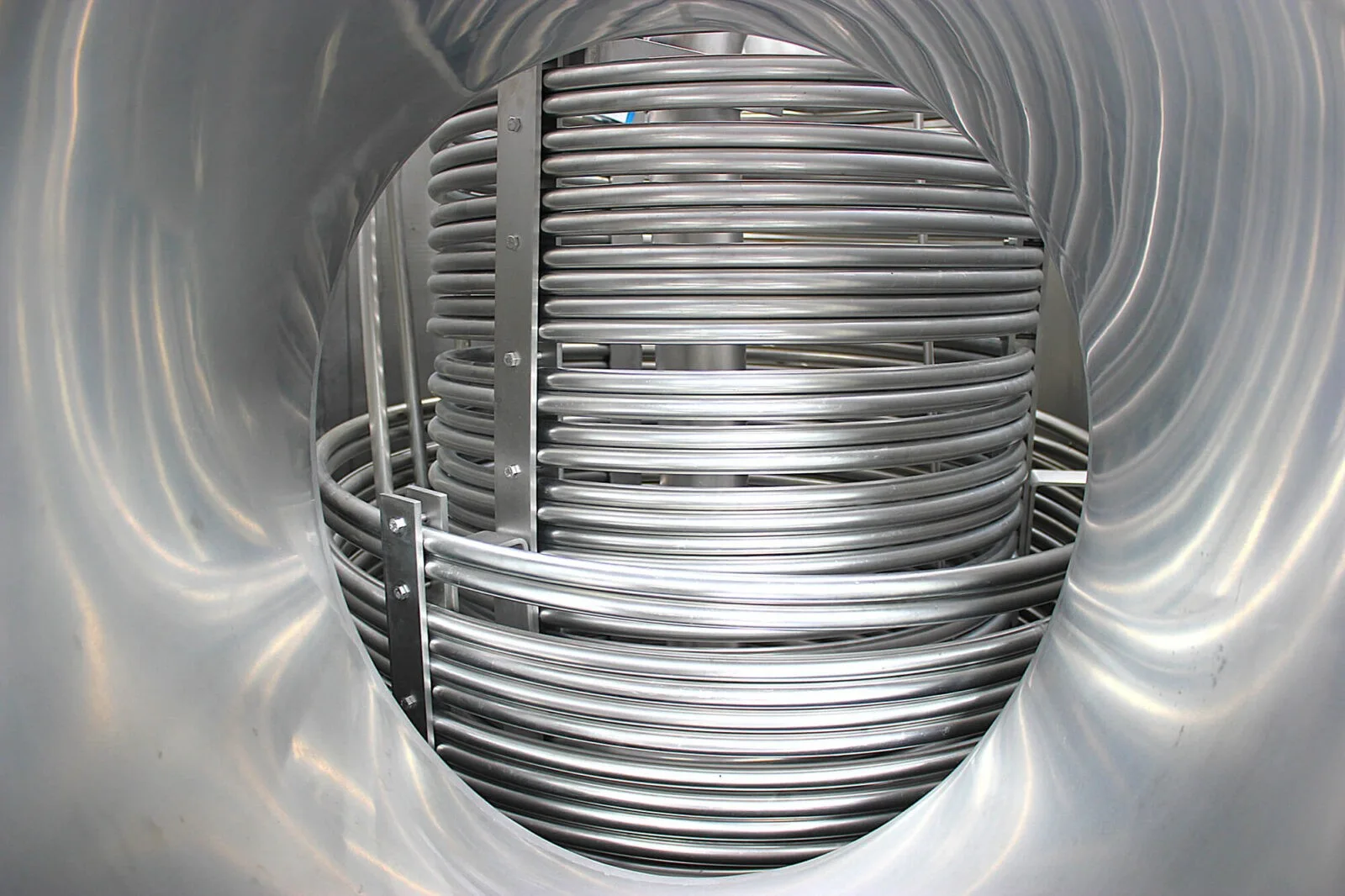
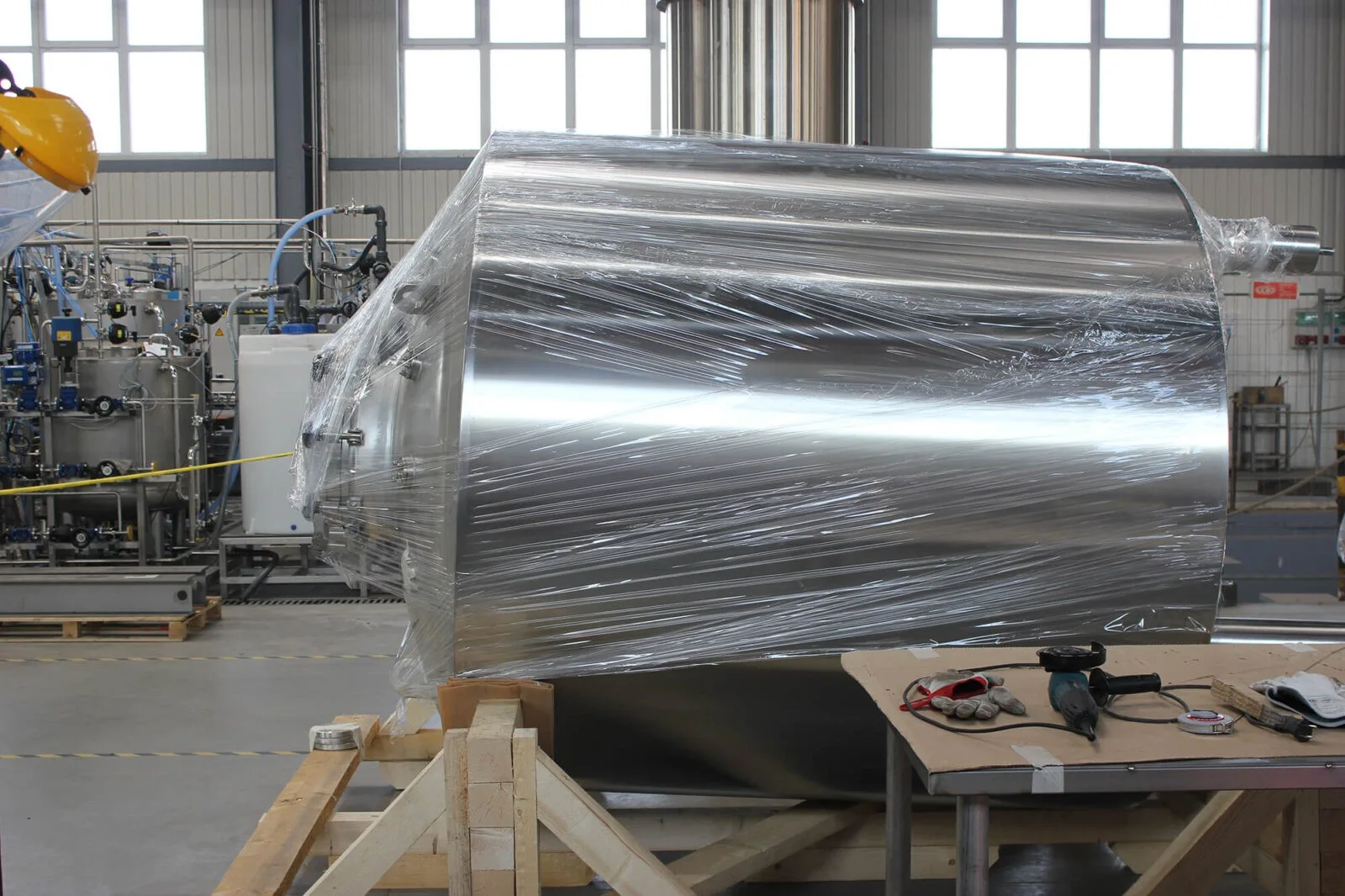
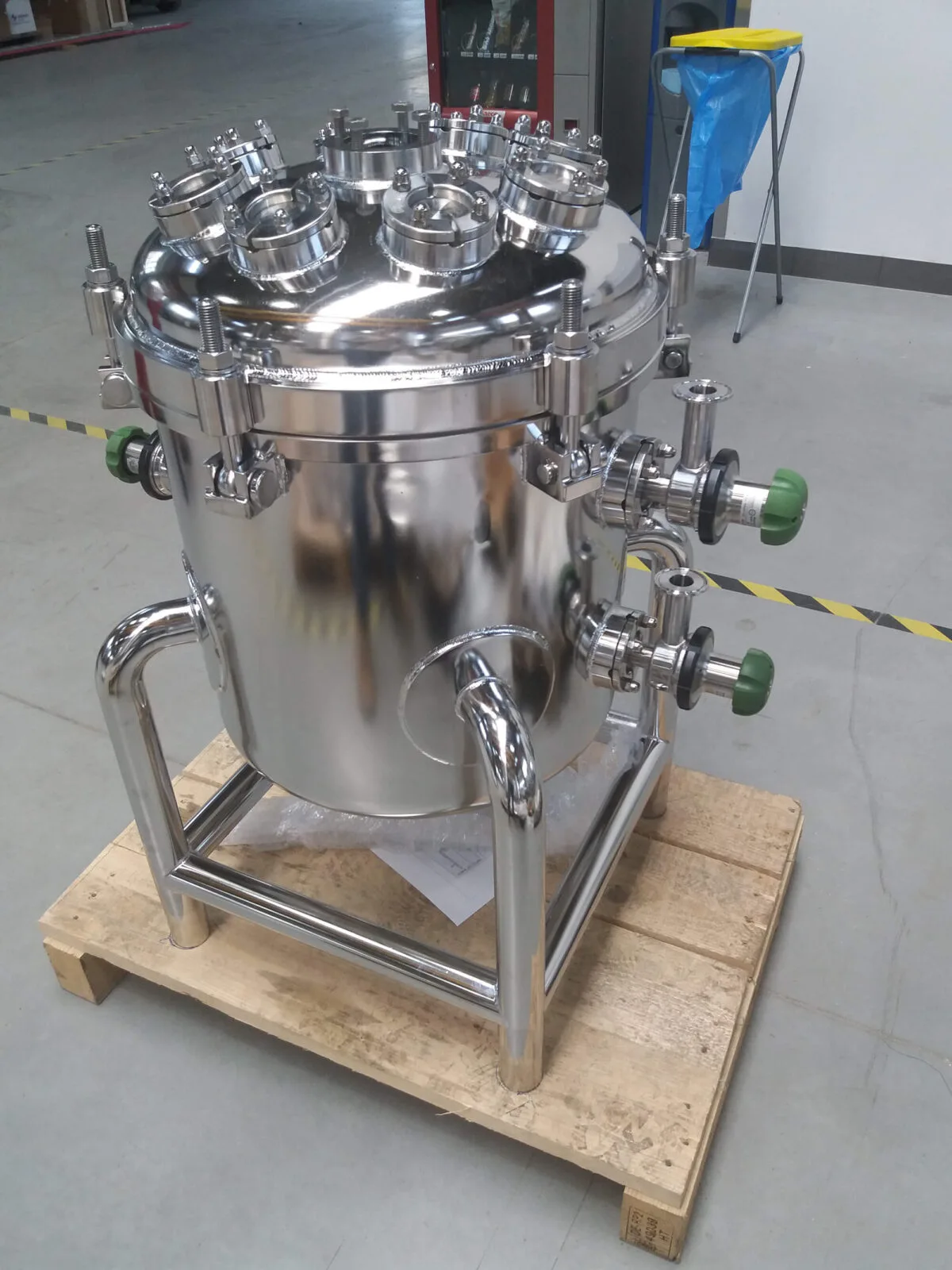
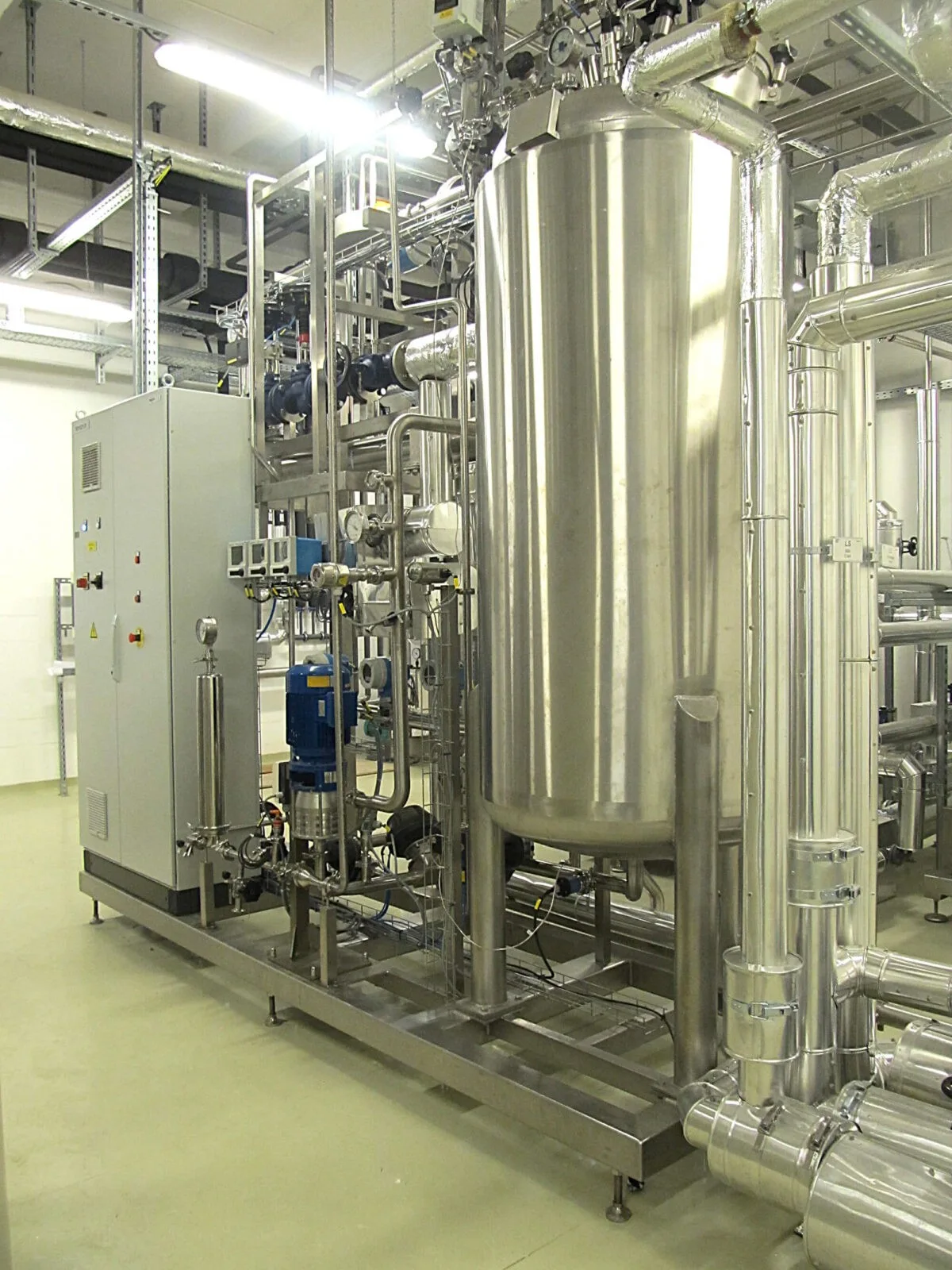
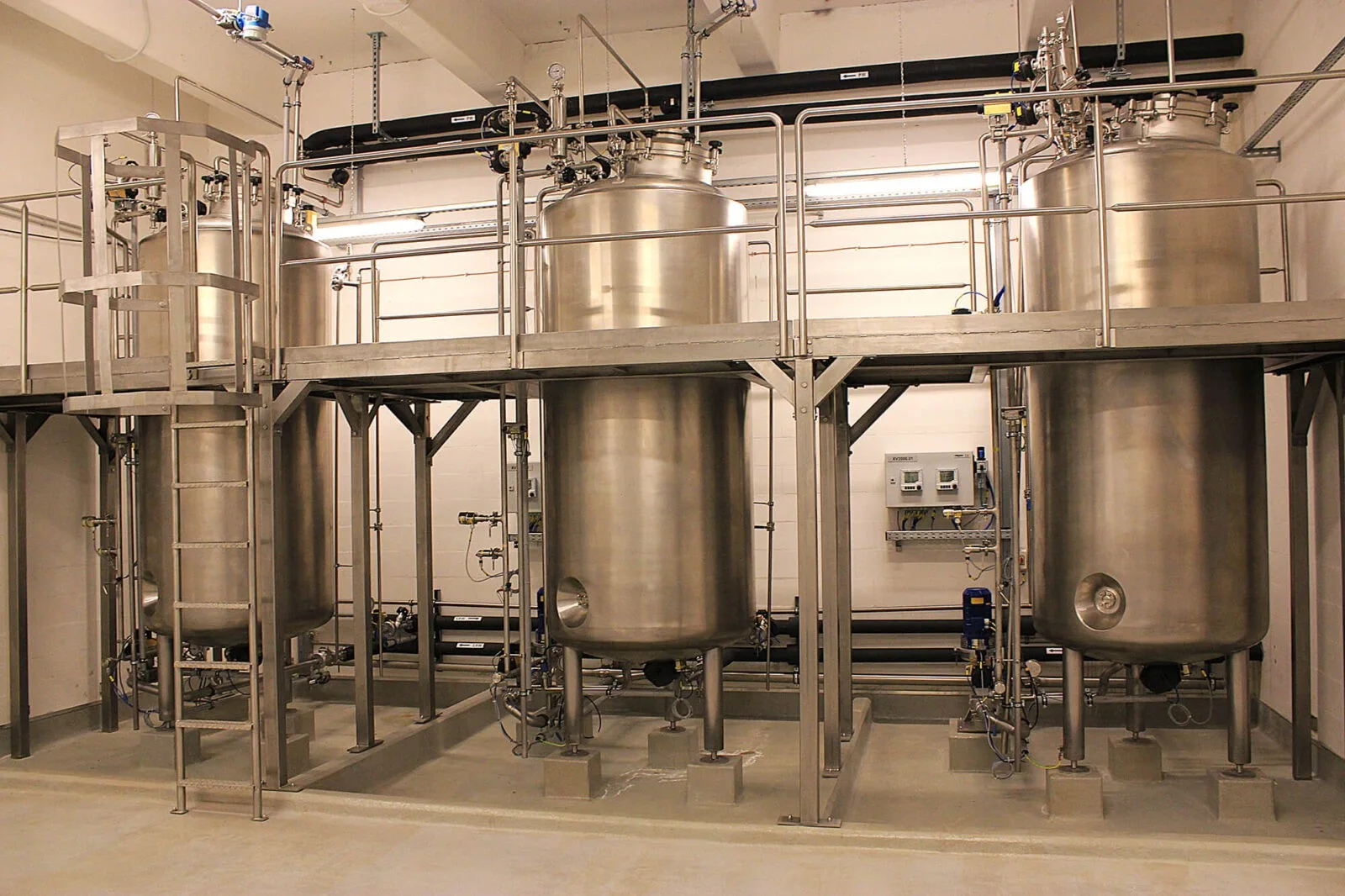
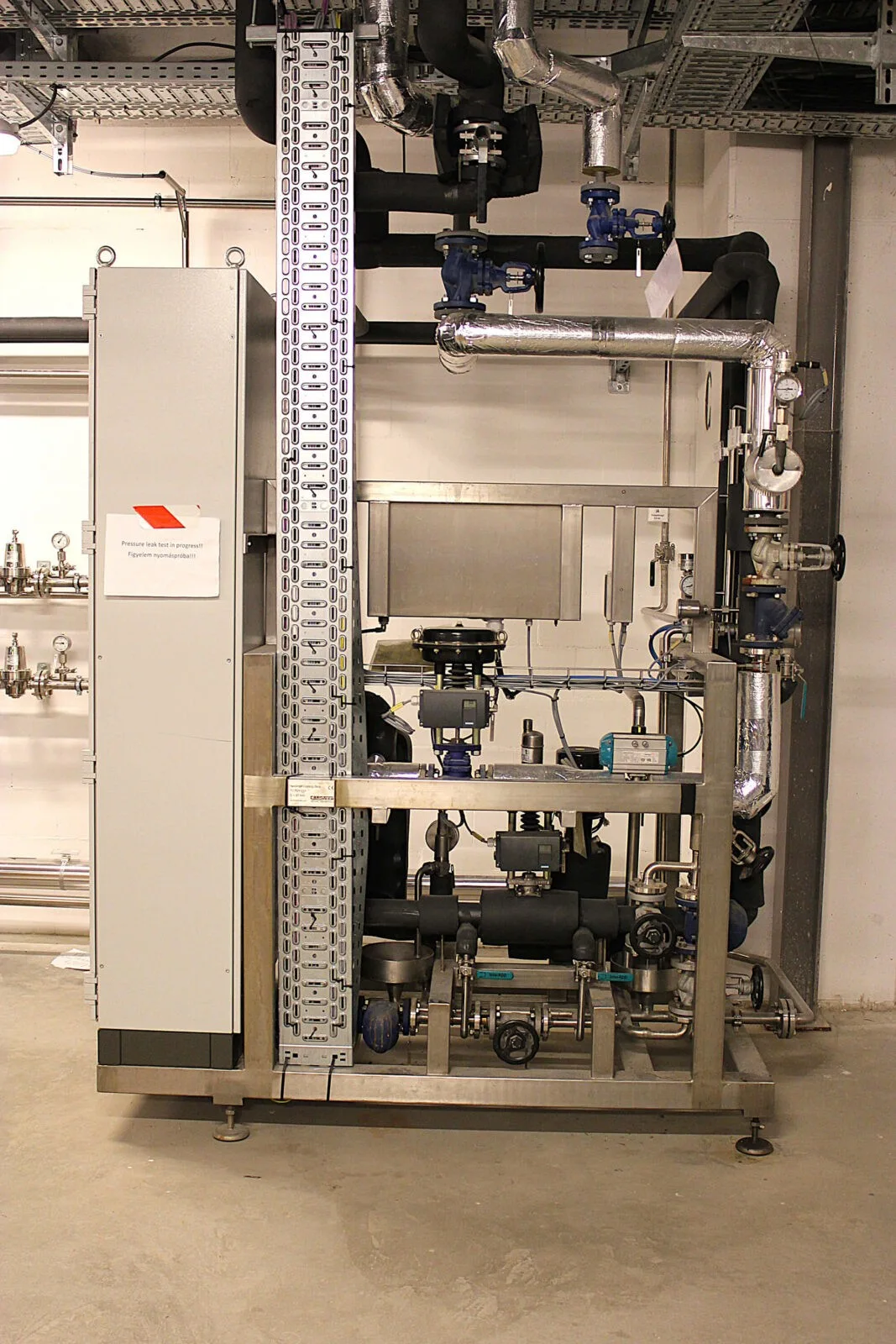
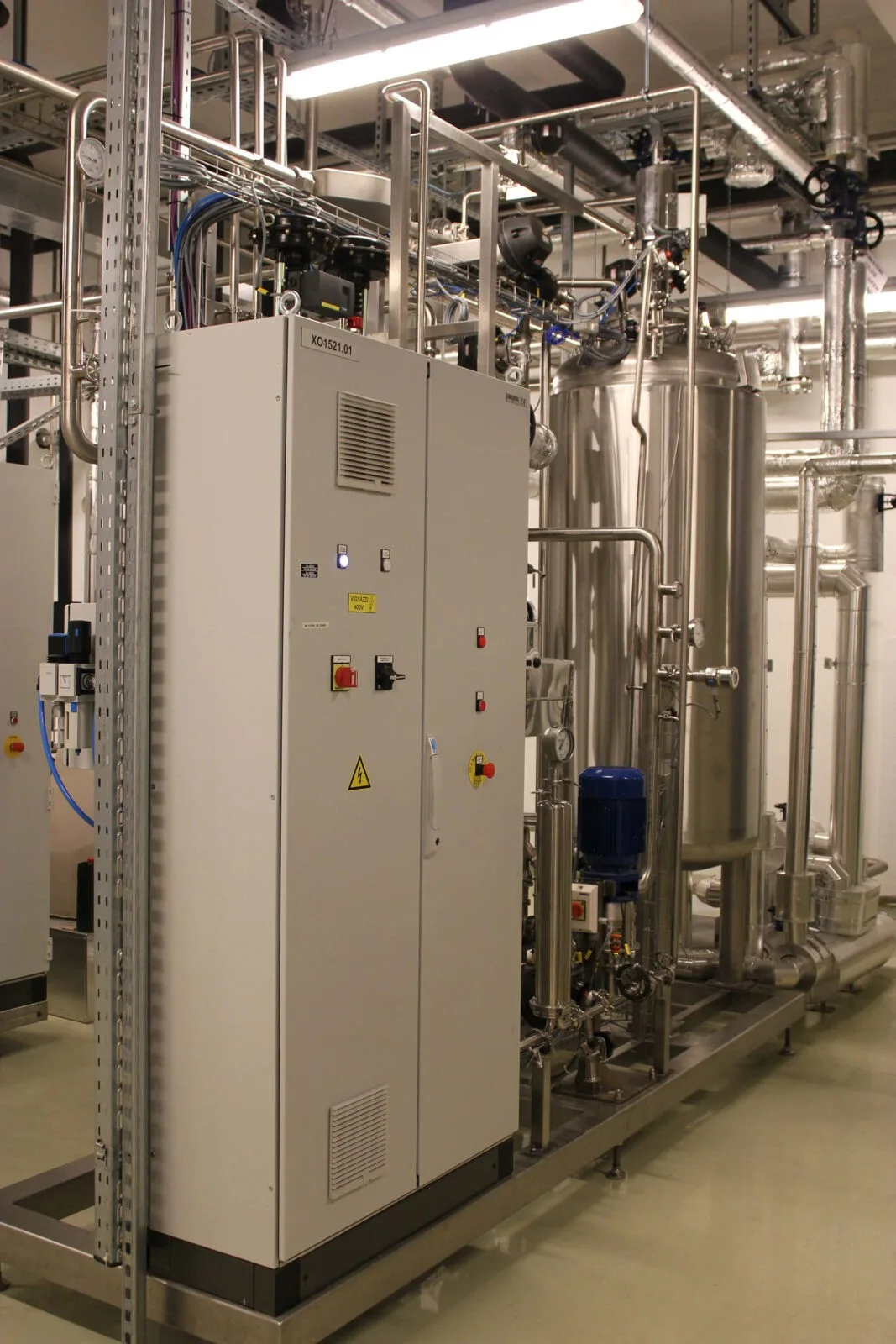
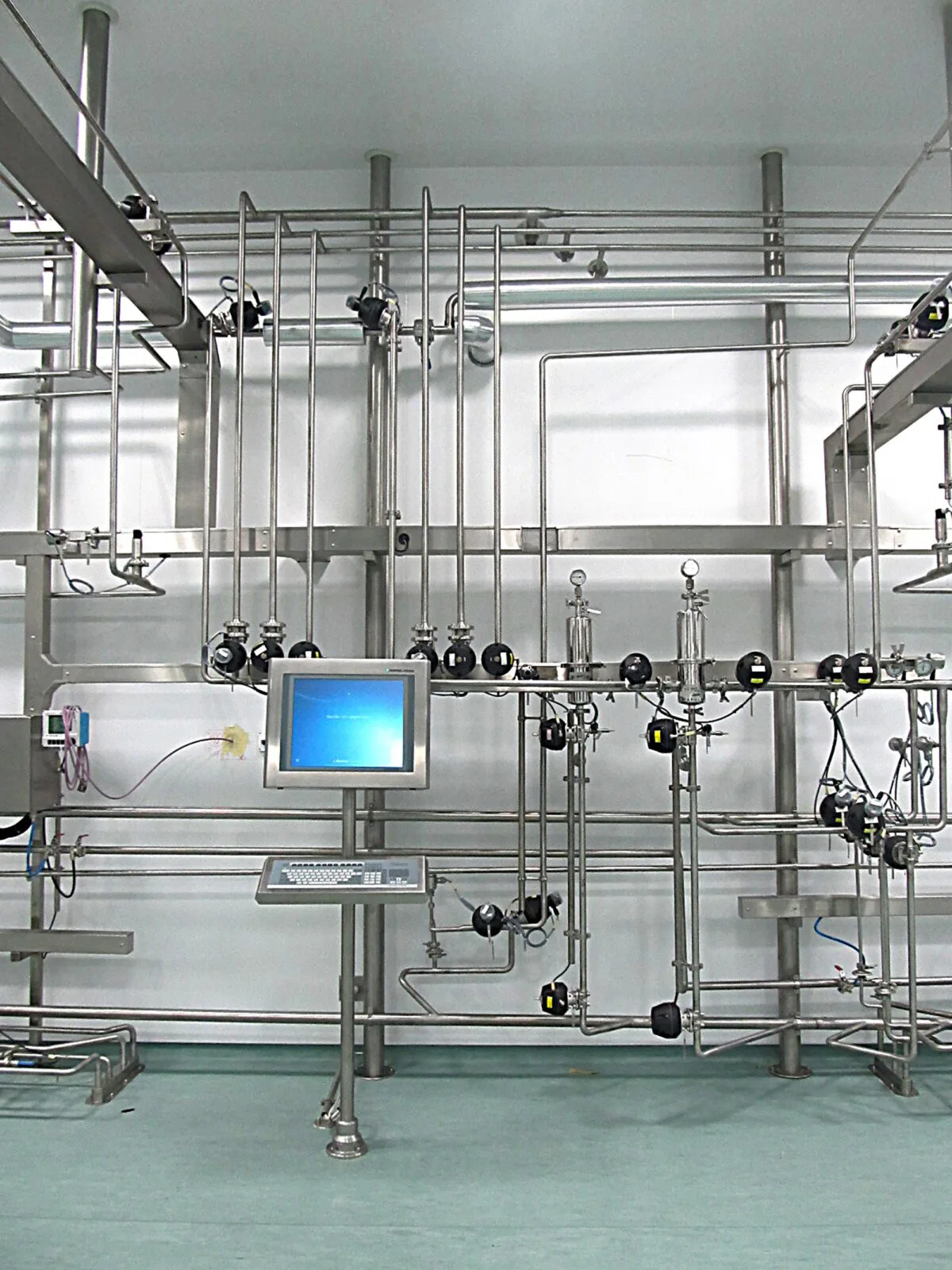
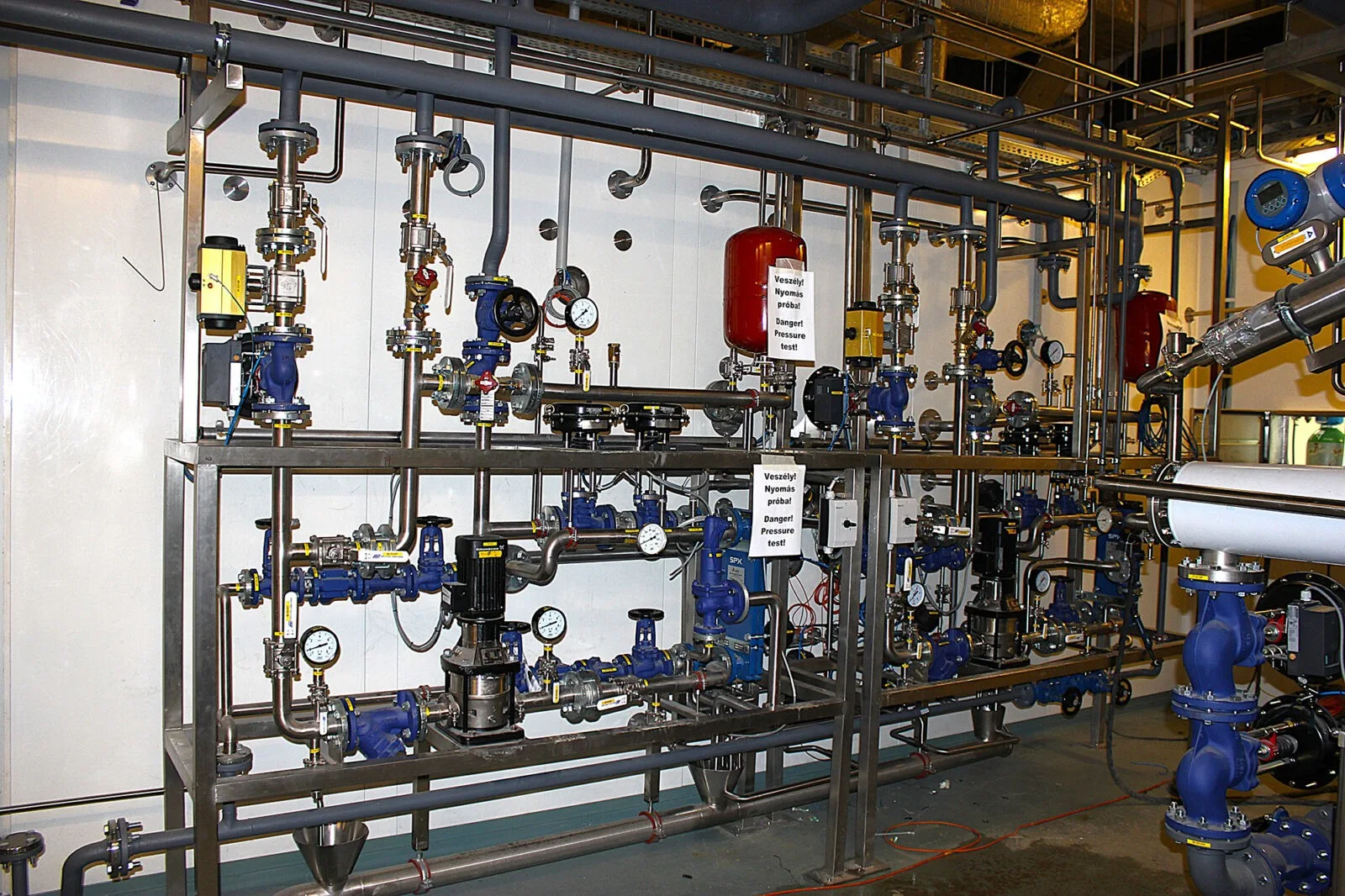
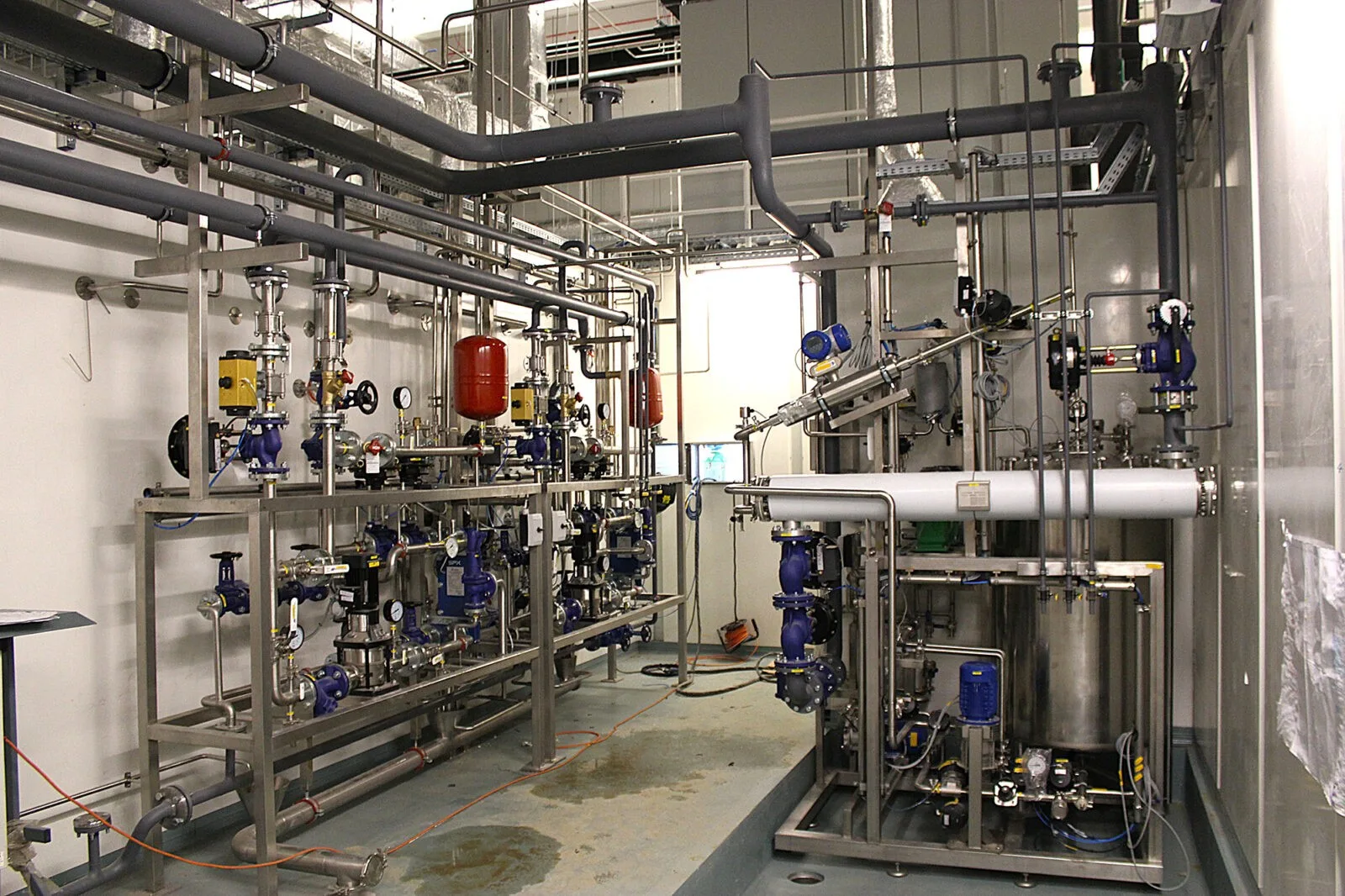
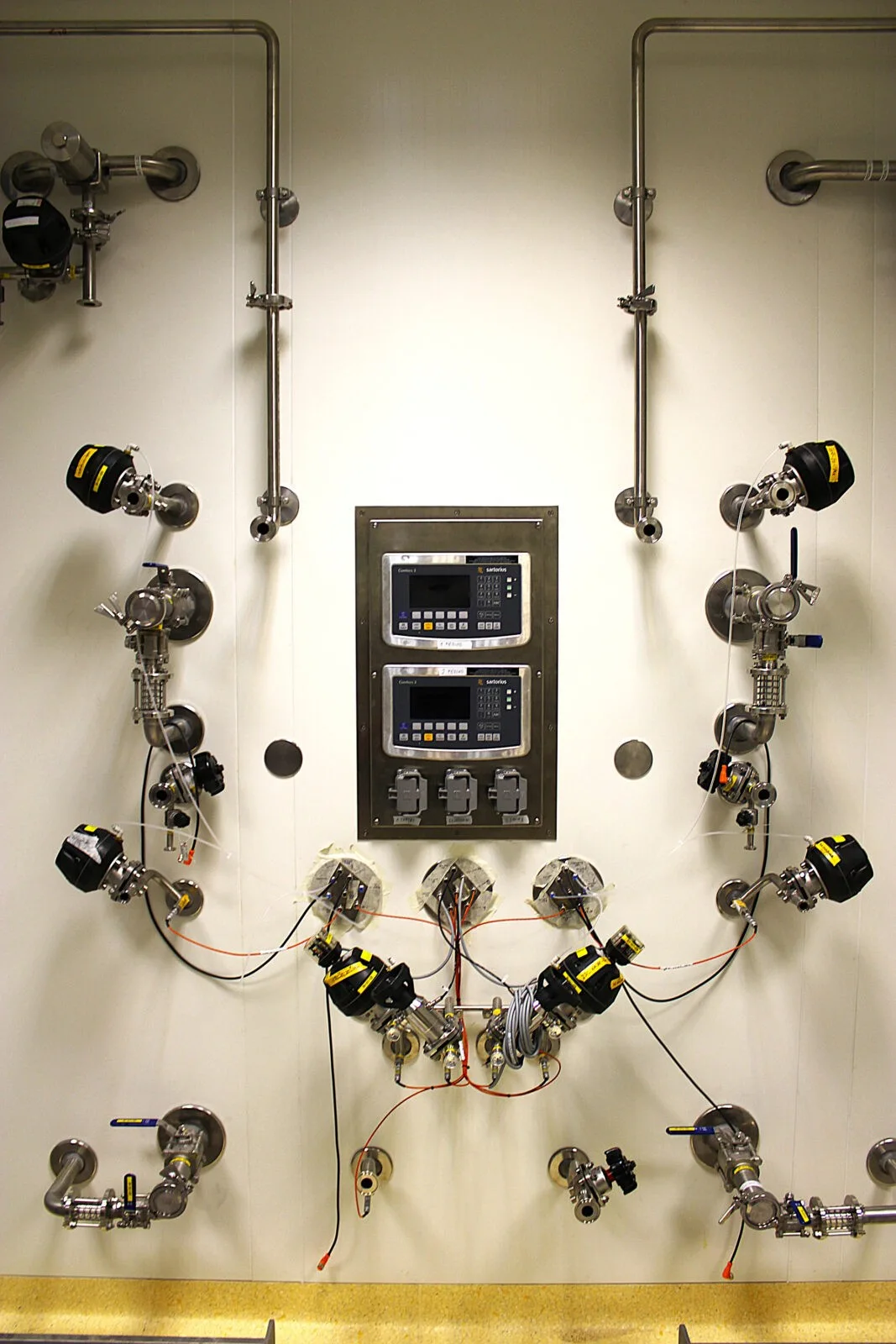
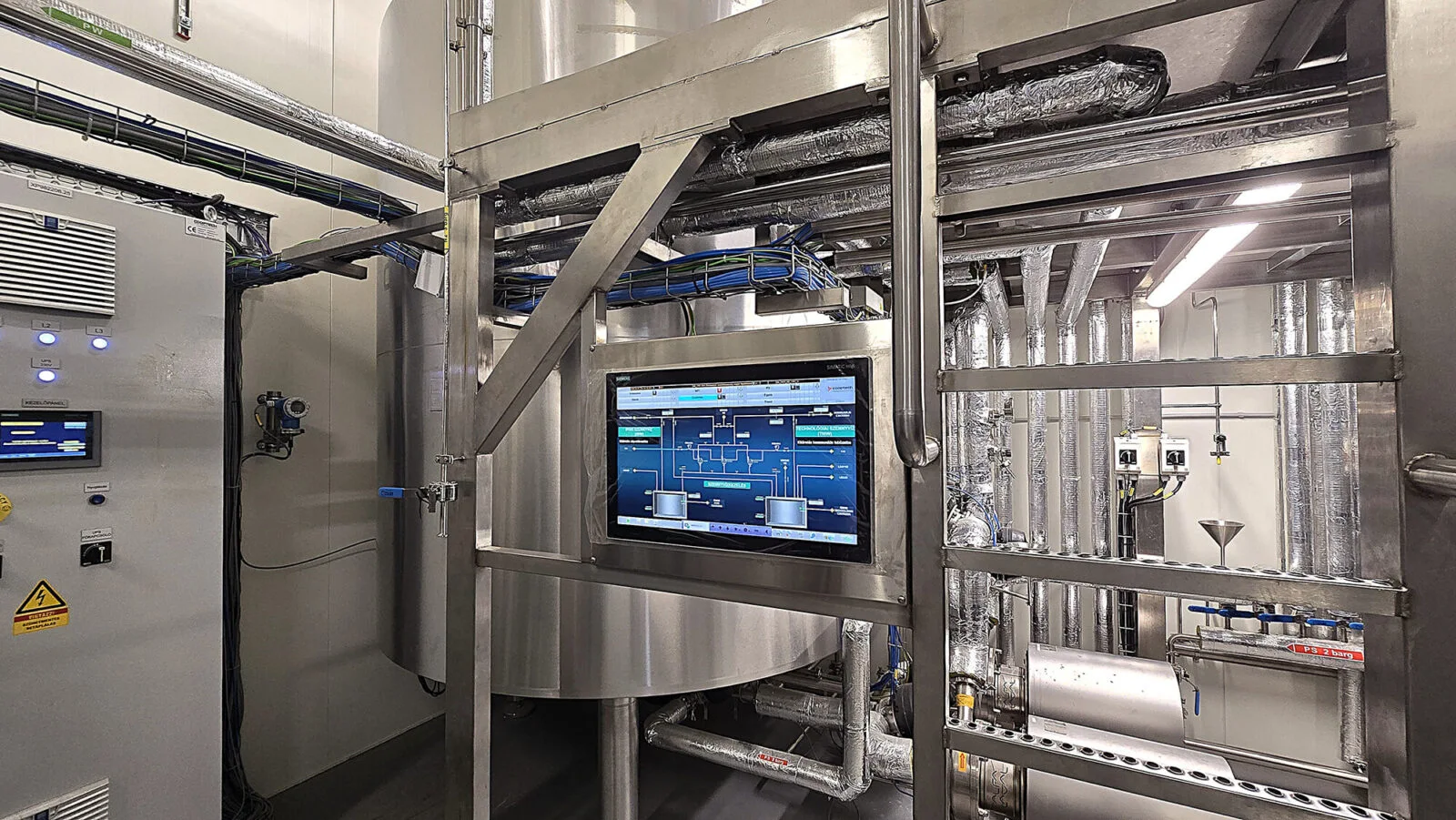
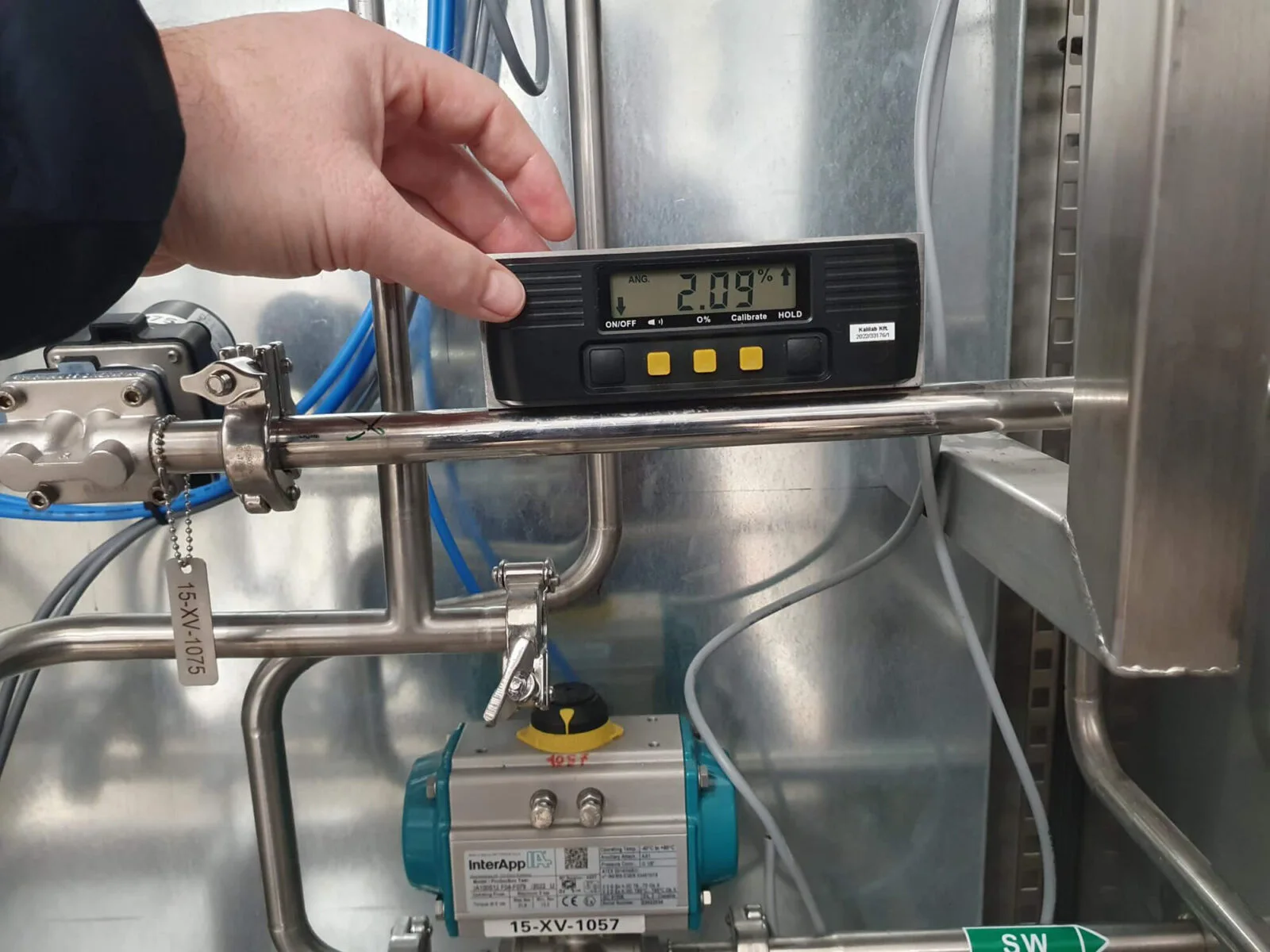
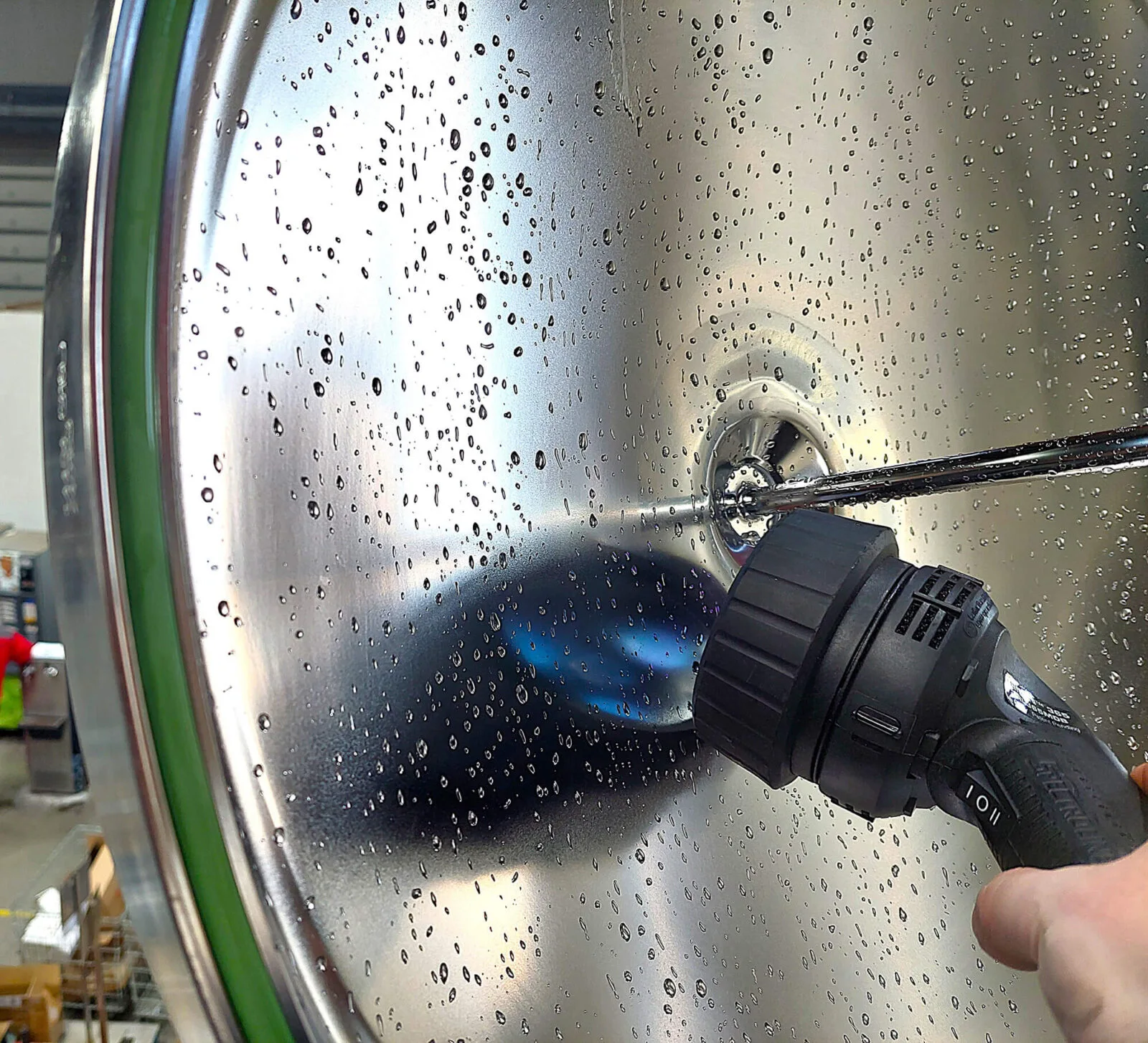
A new investment – whether it involves expansion, automation, or a greenfield project – is always a serious decision. The return on investment and smooth future operation, essentially the competitiveness, are determined during the preparatory phase. That is why we are pleased when we are involved in pharmaceutical, food, chemical, or other projects even before the design phase, supporting optimal decisions through consultations, advisory services, and feasibility studies. Our decades of experience not only aid in design and execution but also provide our Clients with assurance that their project will be realized as agreed, both in terms of timing and budget, and that the equipment will perform exactly as expected.
Before implementing a new facility or modifying an existing one, we support our Clients with consultations to help them find the right solutions to achieve their goals. During this process, we jointly review the technology, determine the main parameters of the equipment, the material and personnel flow of the production process, the layout, as well as preliminary equipment and piping plans, etc. During design, we not only focus on achieving the required functionality and efficiency but also consider maintenance space and all other needs.
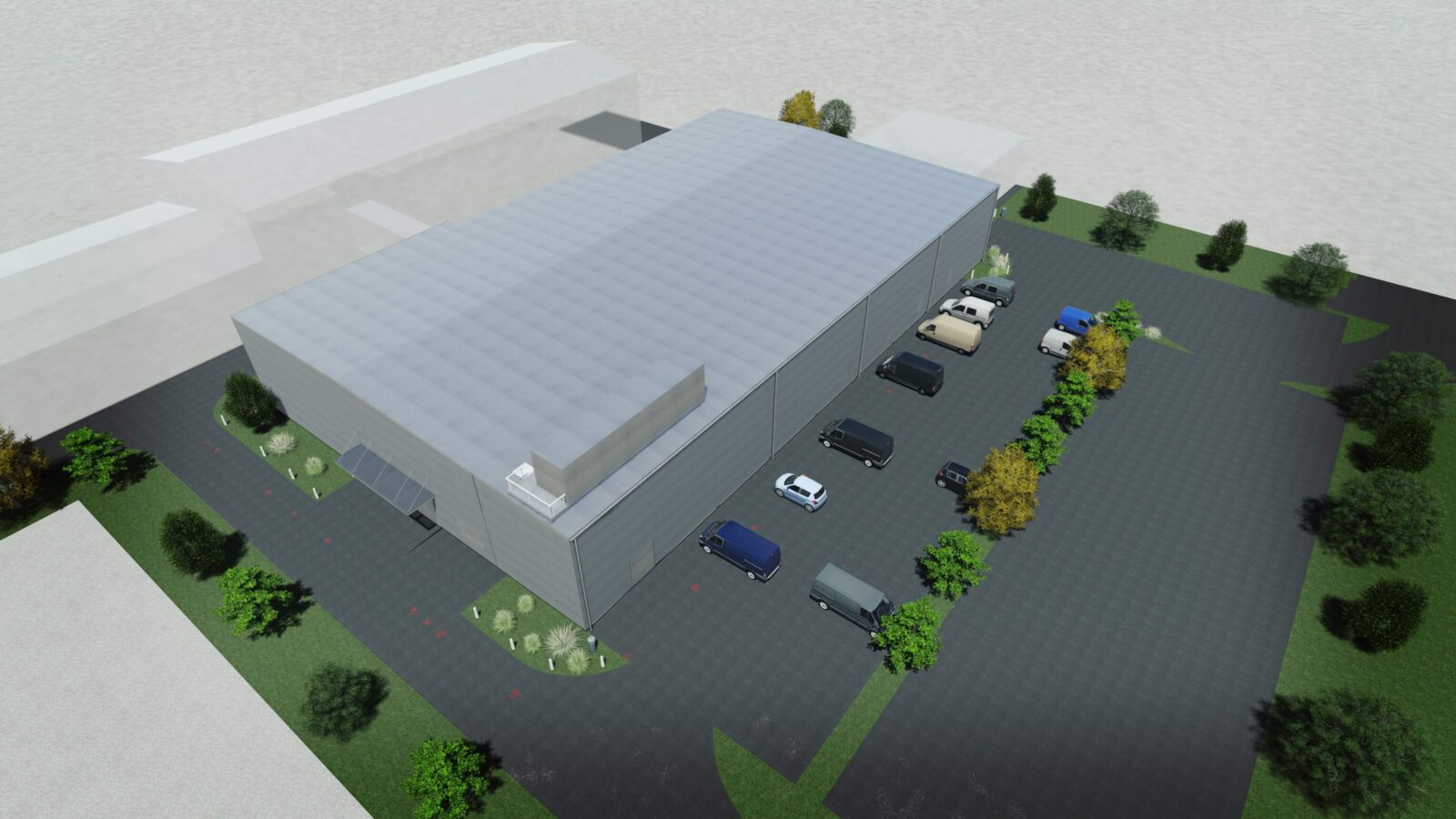
To support investment decisions, we often contribute by preparing feasibility studies. In these studies, we refine the basic design parameters, dimensions, performance, related facilities, examine environmental impacts, investment costs, potential suppliers, and their prices, etc. The feasibility study is naturally prepared in close collaboration with the Client.
Basic Plans
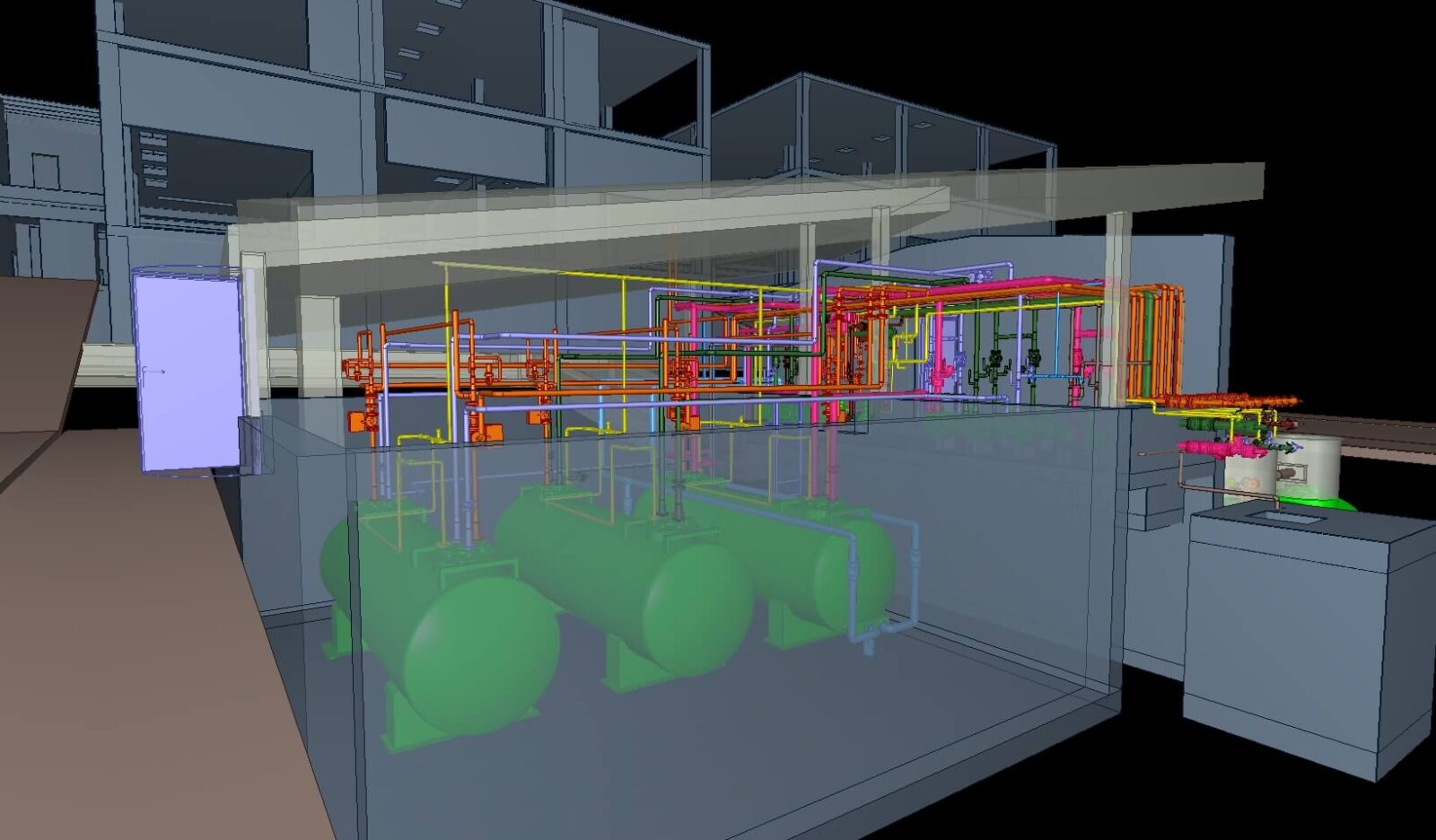
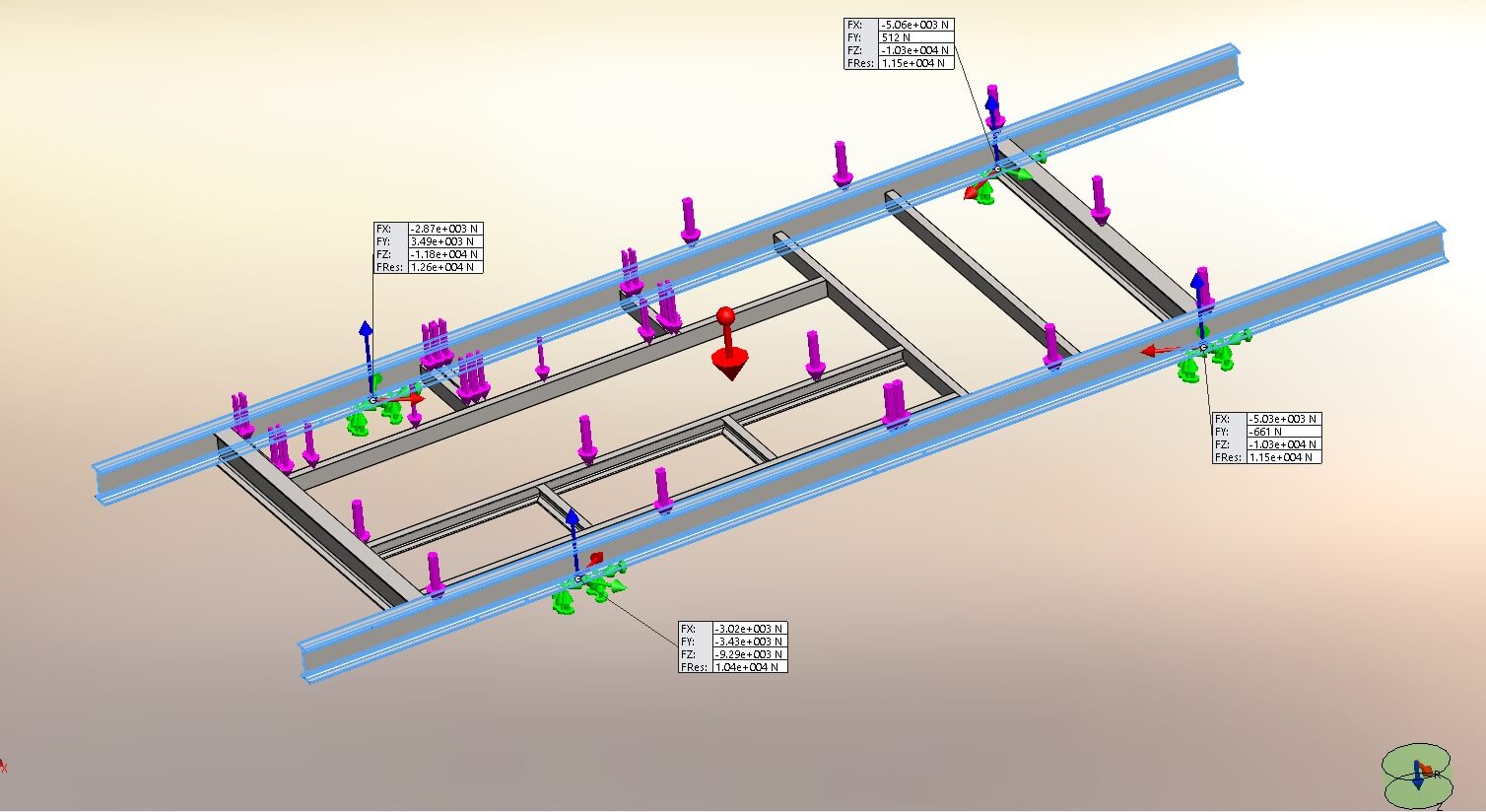
Cooptech Ltd. uses the most modern CAD/CAM design tools for automation and system design, such as various versions of AutoCAD, Cadmatic 3D plant design software, SolidWorks, EPLAN, and OhmTech software for pressure equipment design. These applications enable significant time and cost savings, as all discipline designers work from the same database, supporting each other in producing various design documents. This working method and background infrastructure are always available for new pharmaceutical and food industry projects, as well as for the automation of older equipment. Our engineers exclusively use these software tools, so even the simplest modifications are created in a digital environment with detailed documentation.
During the preparation of basic plans, we finalize process flow diagrams, develop medium lists, piping classes, perform necessary calculations, and prepare data sheets for the required equipment to finalize layout plans. If needed, we develop or assist the Client in preparing the User Requirement Specification (URS). This document clearly defines the FDA, GMP, GAMP, and ATEX requirements to be followed for the project, thus establishing the quality assurance principles and recording process control, measurement, qualification, and their documentation and visualization. This documentation already allows for determining the exact costs and implementation schedule of the investment.
Detailed Plans
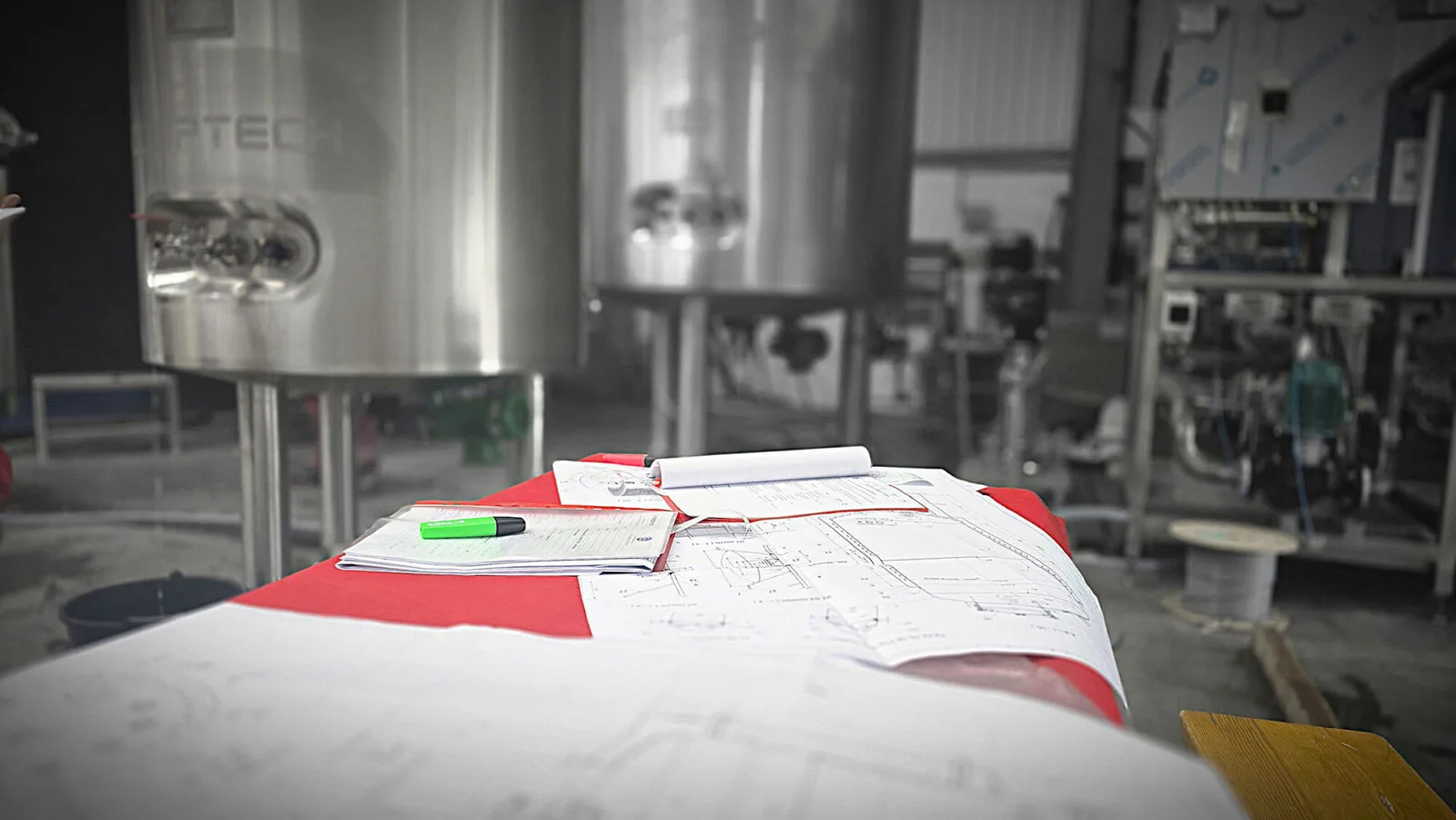
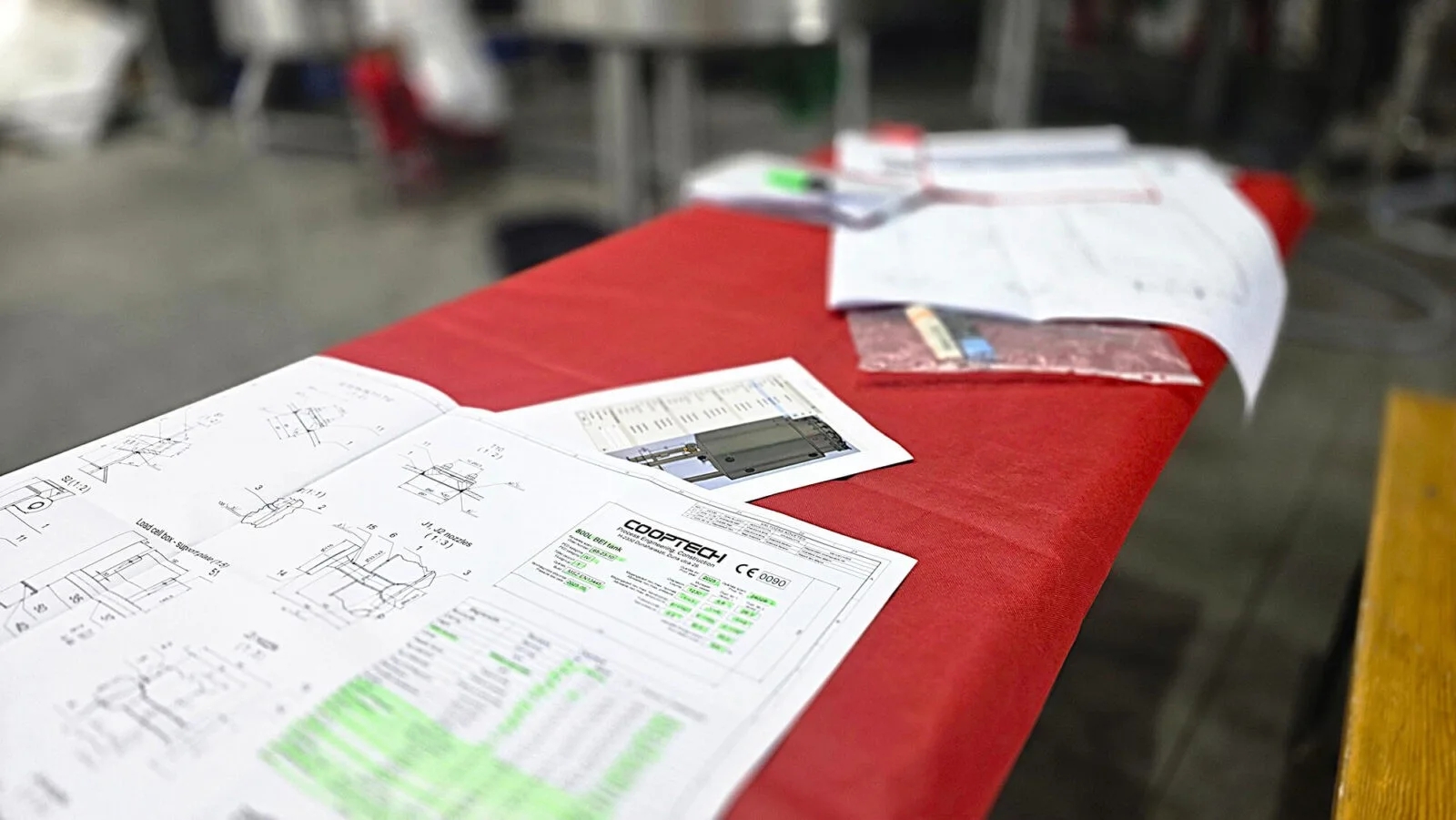
Based on the basic plans provided by the Client or prepared by Cooptech Ltd., detailed plans can be developed. We finalize process flow diagrams, equipment, fitting, and instrument lists, equipment and piping layout drawings, detailed mechanical and process control functional specifications, electrical wiring diagrams, panel installation drawings, I/O lists, etc., according to the specific requirements of the pharmaceutical or food industry project, and submit them to the Client for approval.
If required, our engineers with many years of experience develop or support the Client in defining Factory Acceptance Test (FAT) criteria, Site Acceptance Test (SAT) criteria, and Installation and Operational Qualification (IQ, OQ) requirements.
Mechanical Engineering
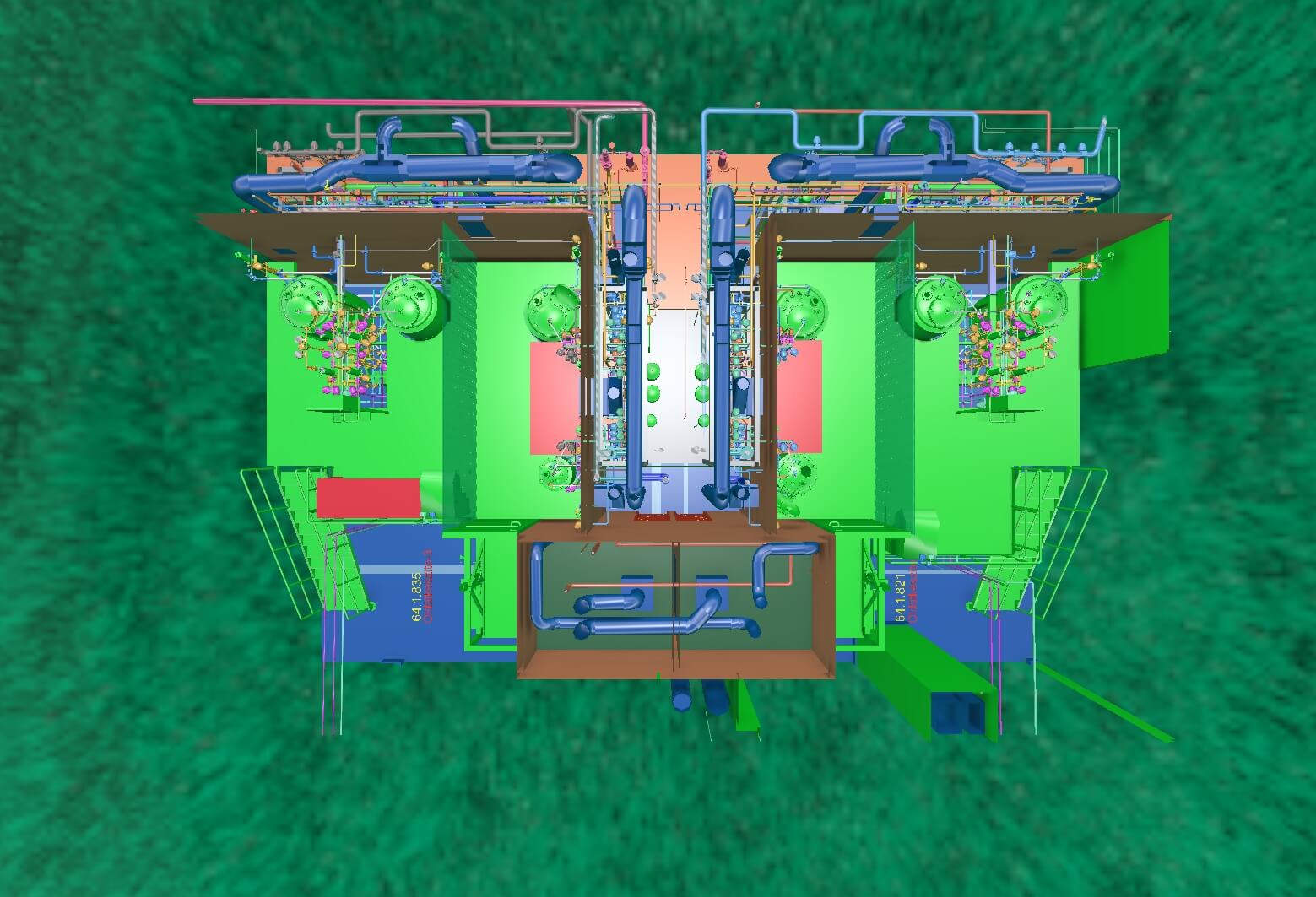
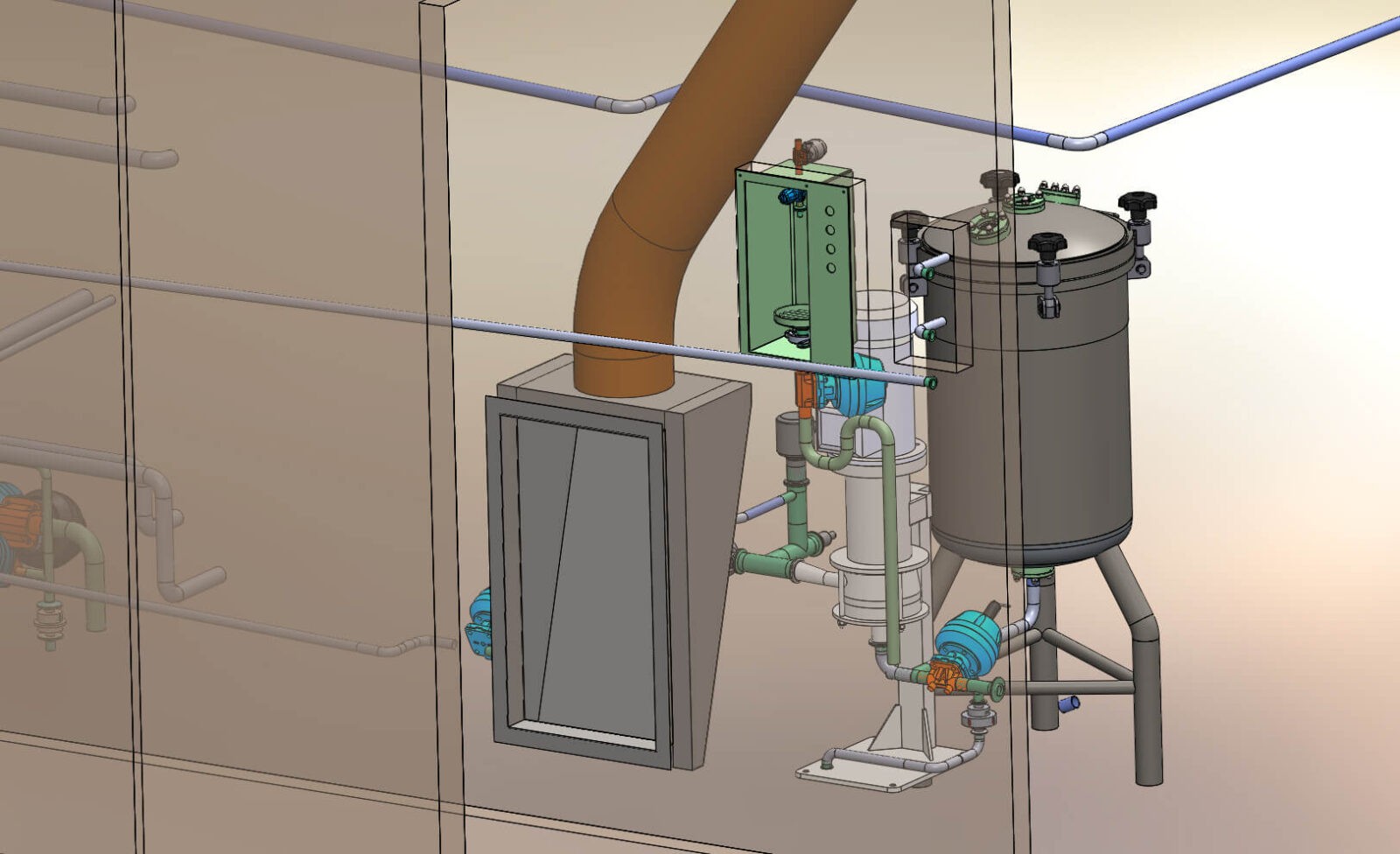
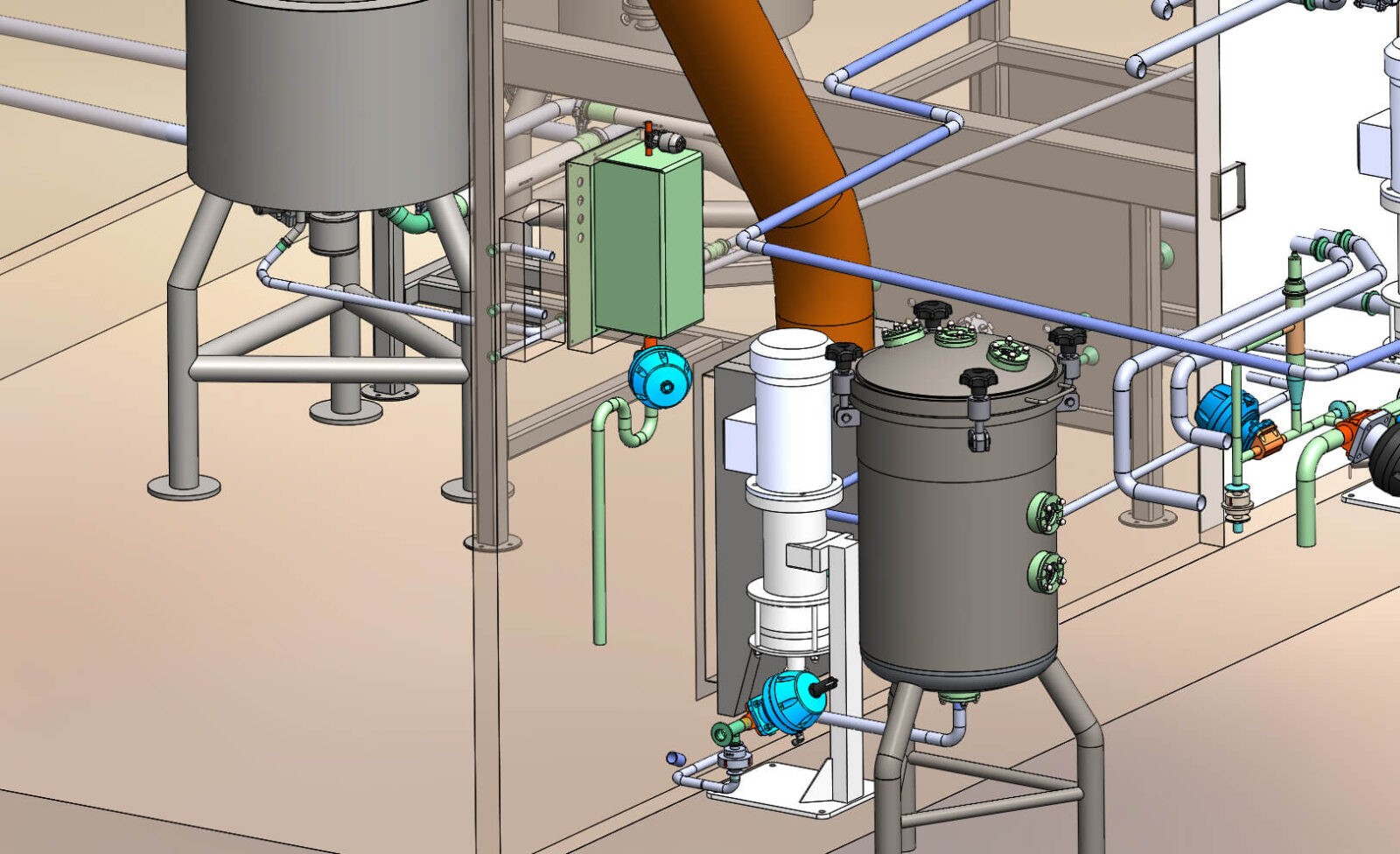
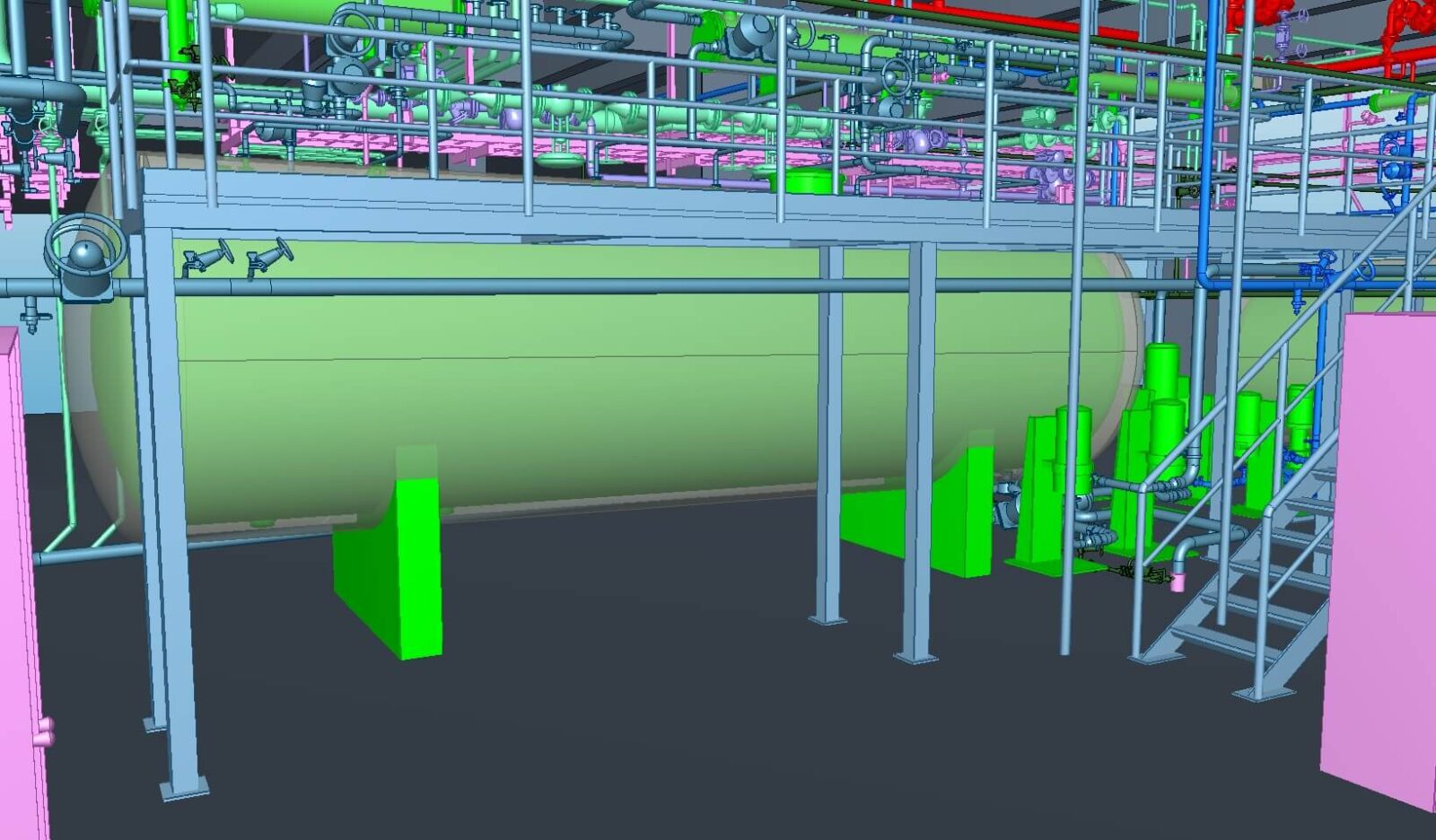
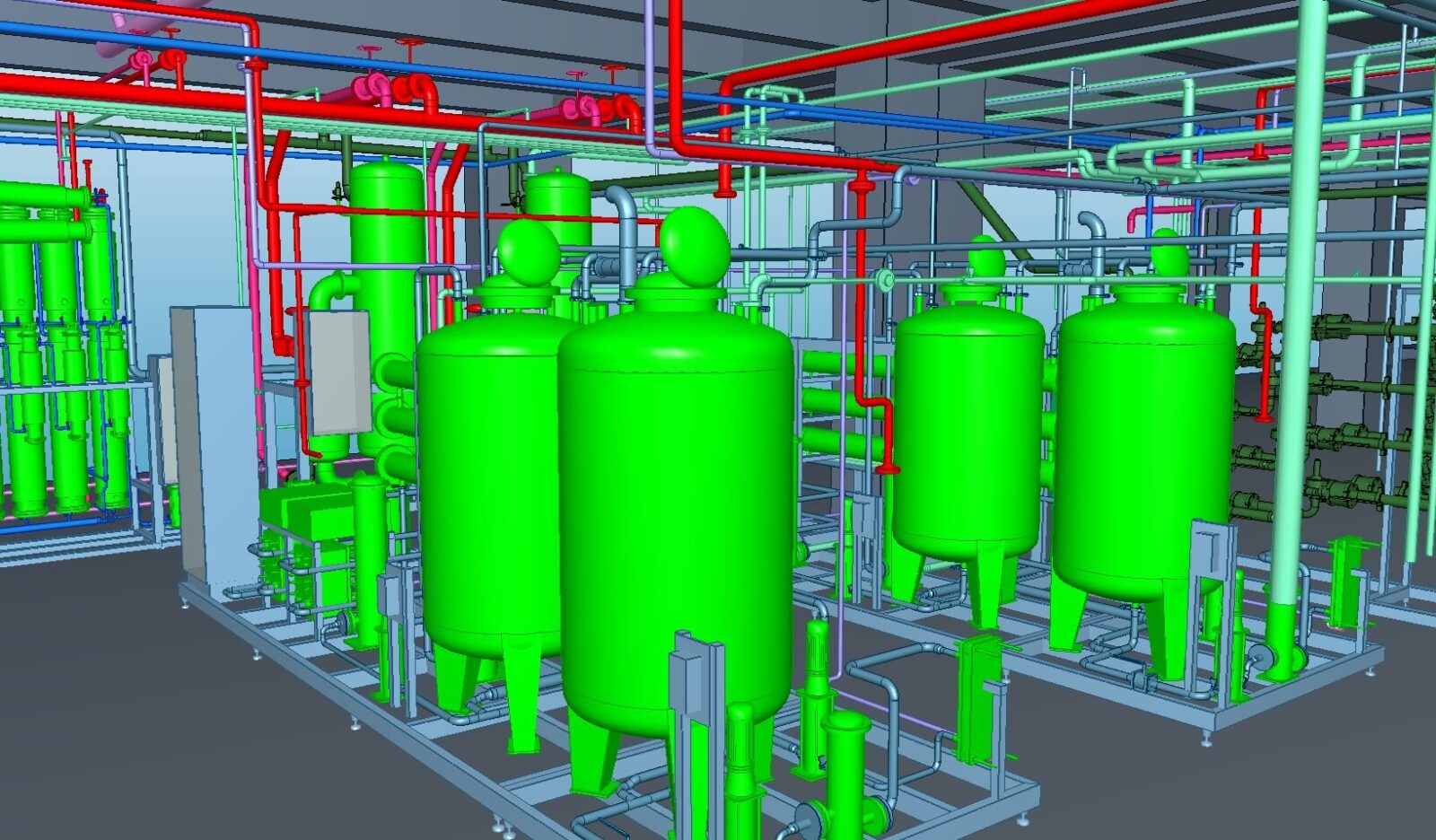
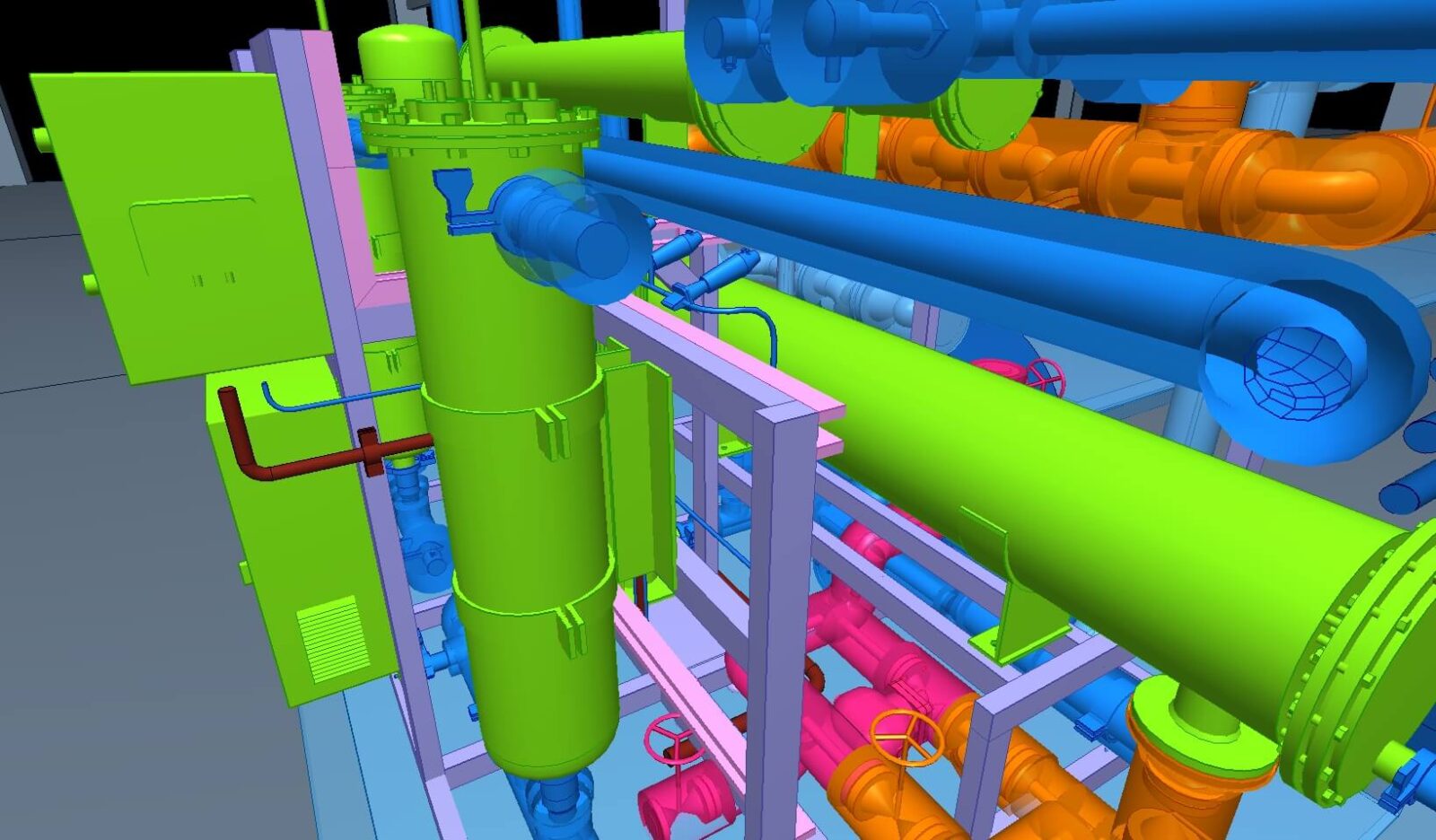
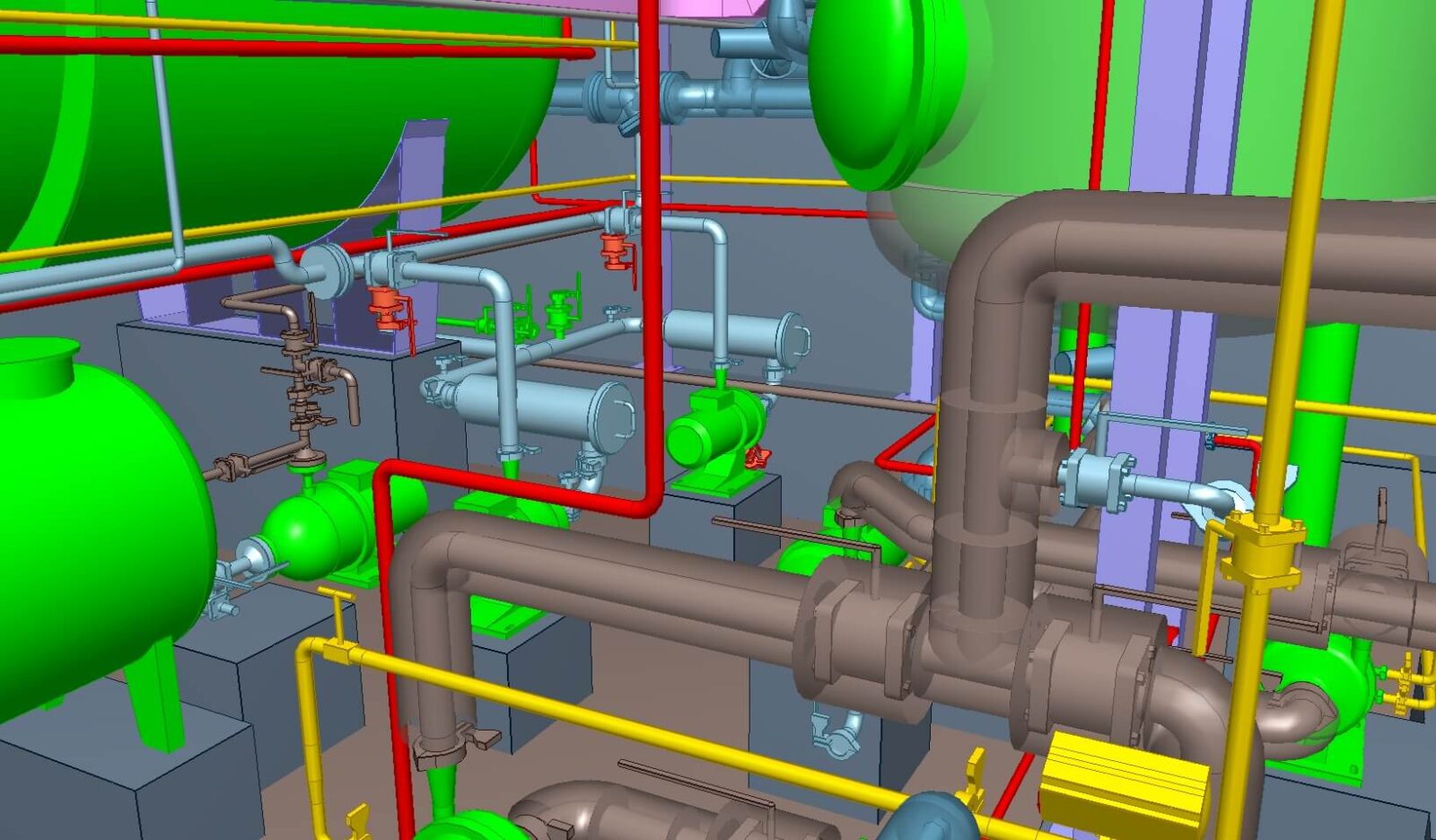
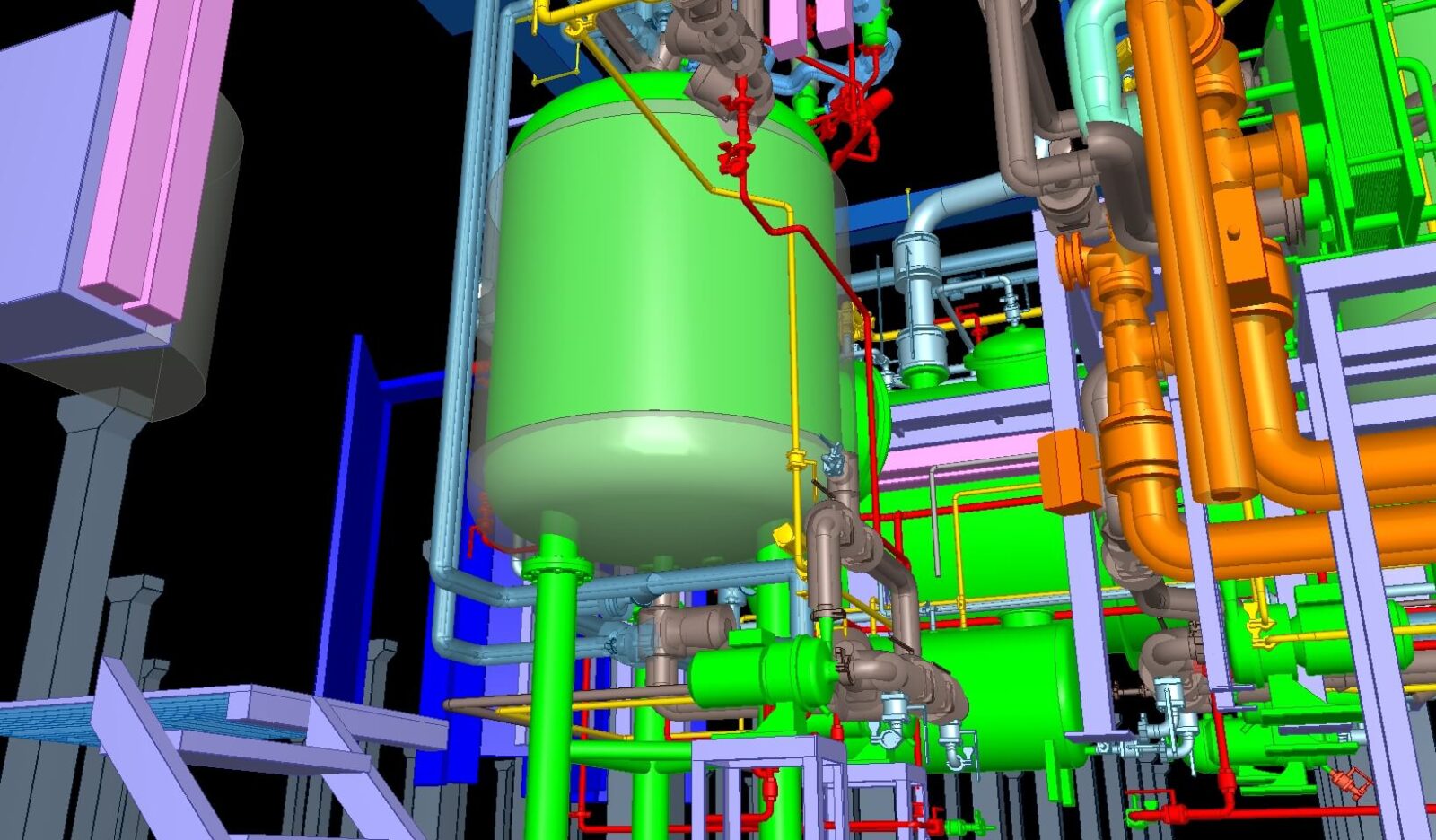
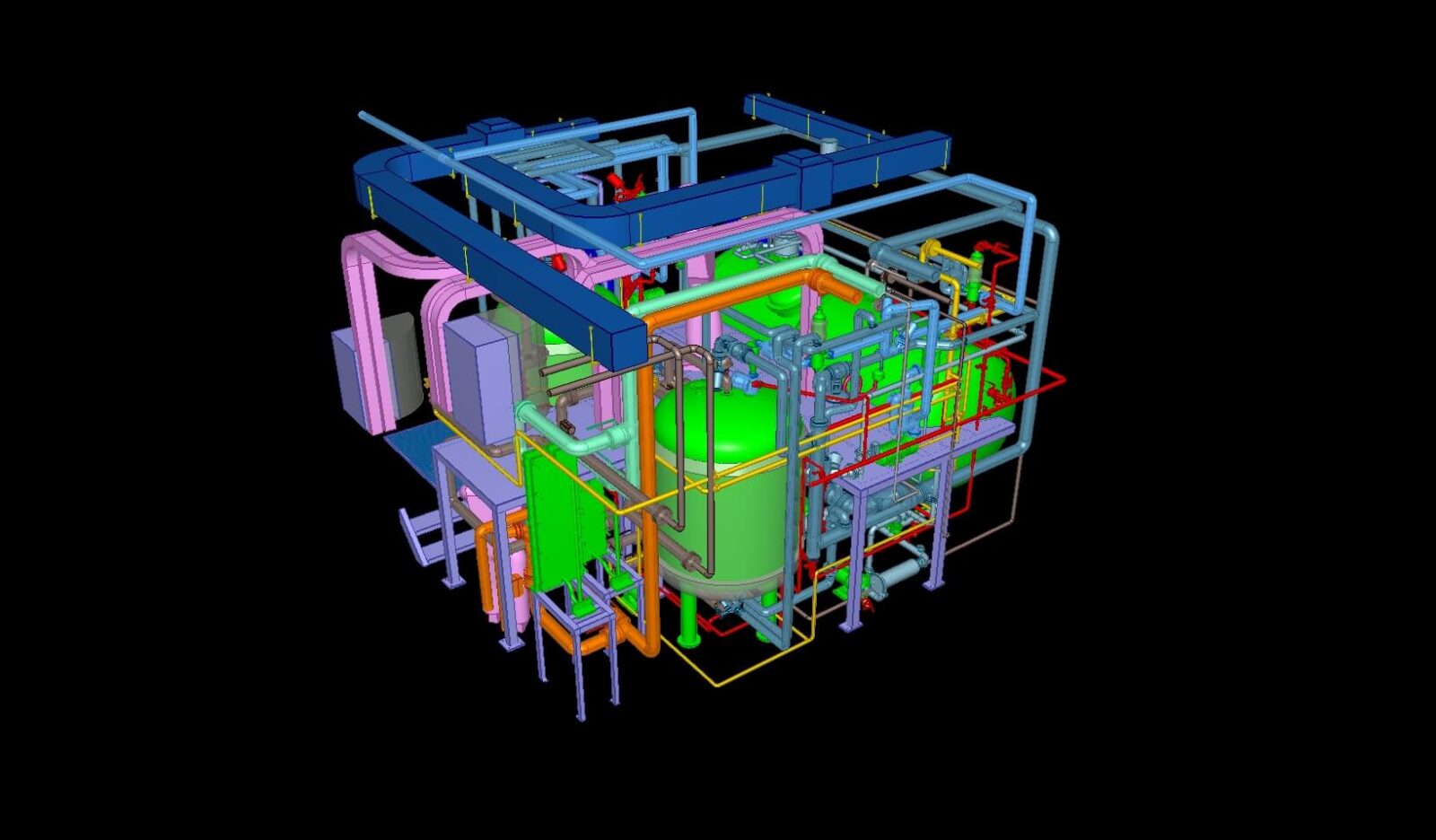
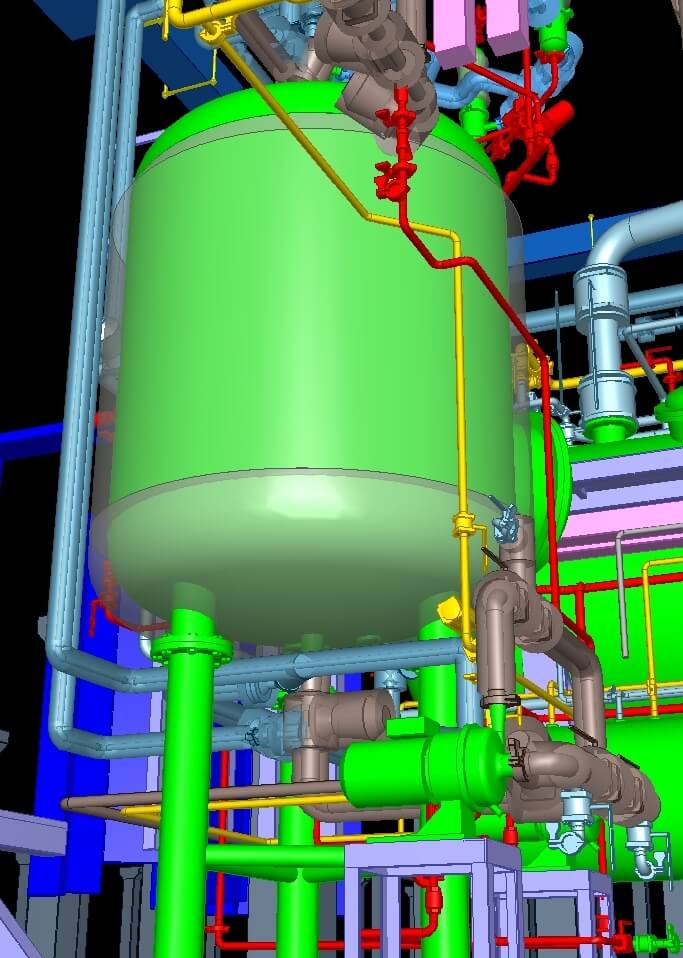
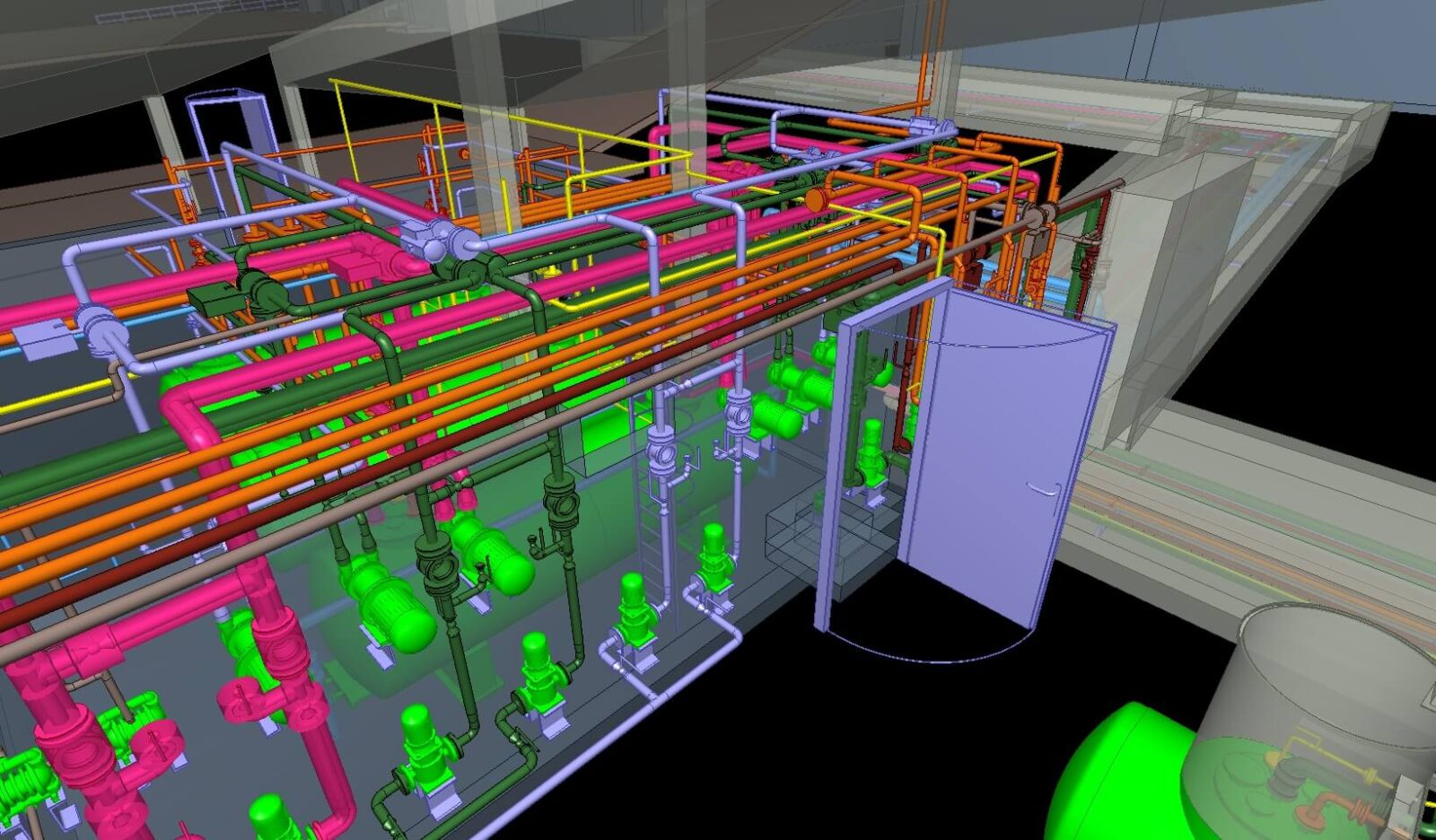
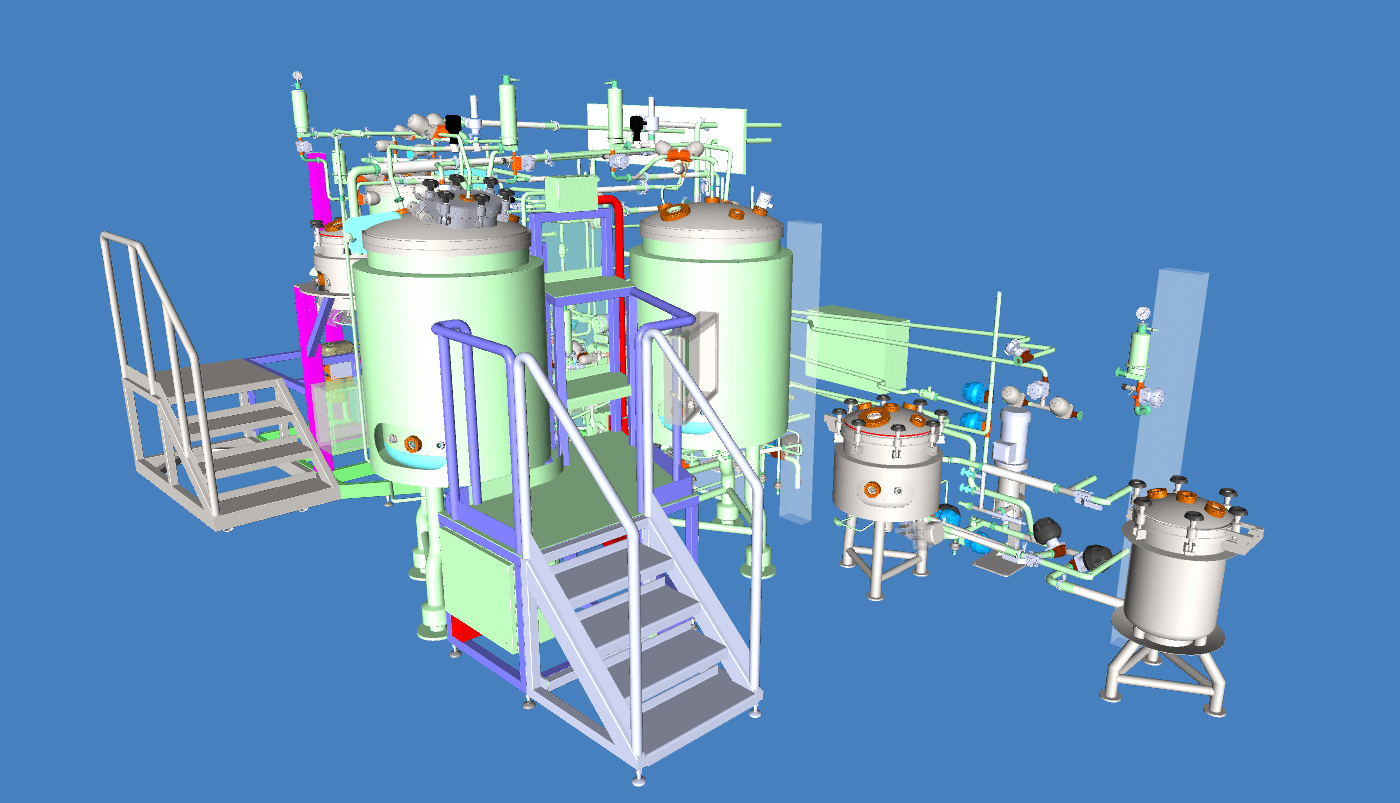
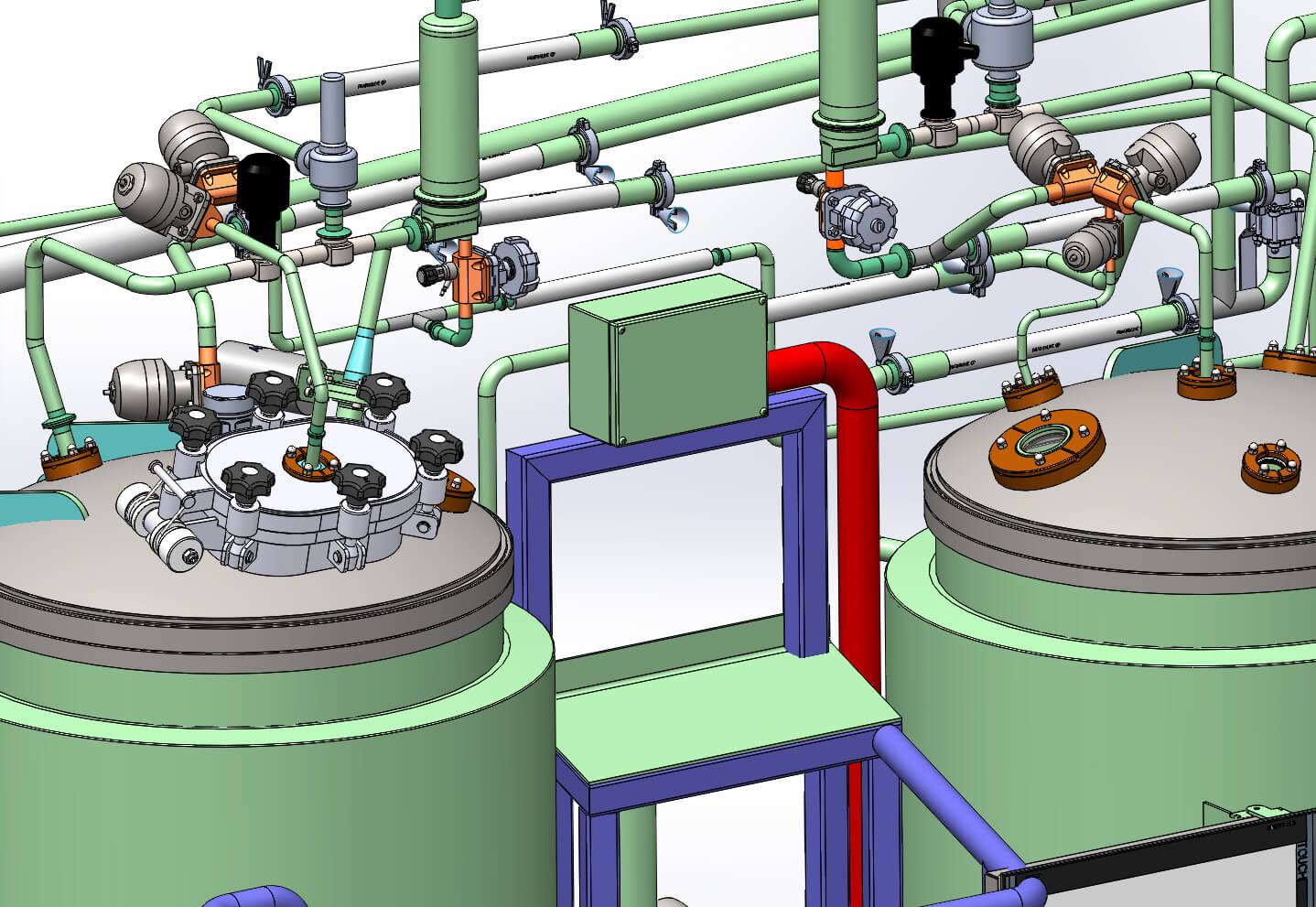
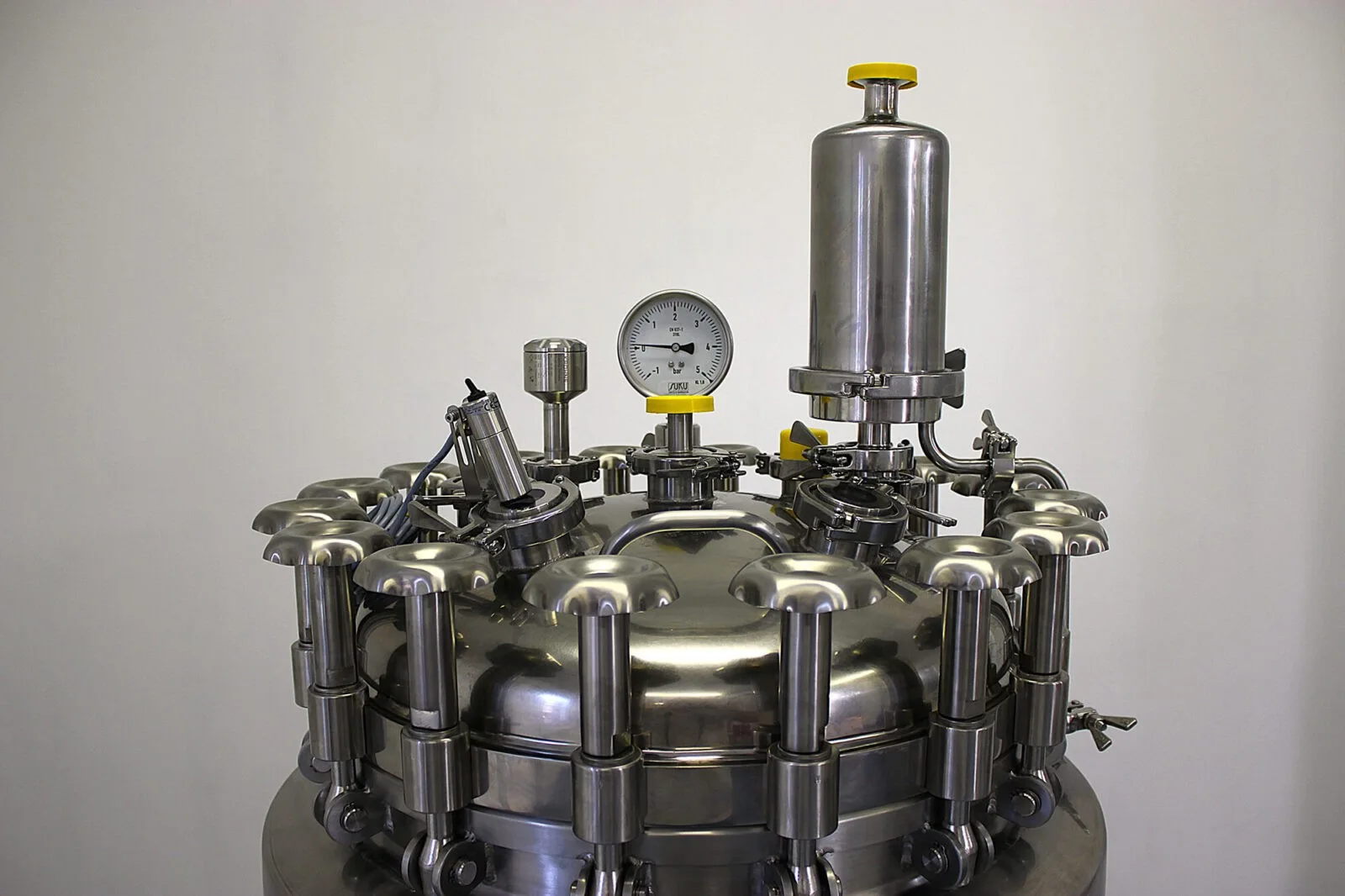
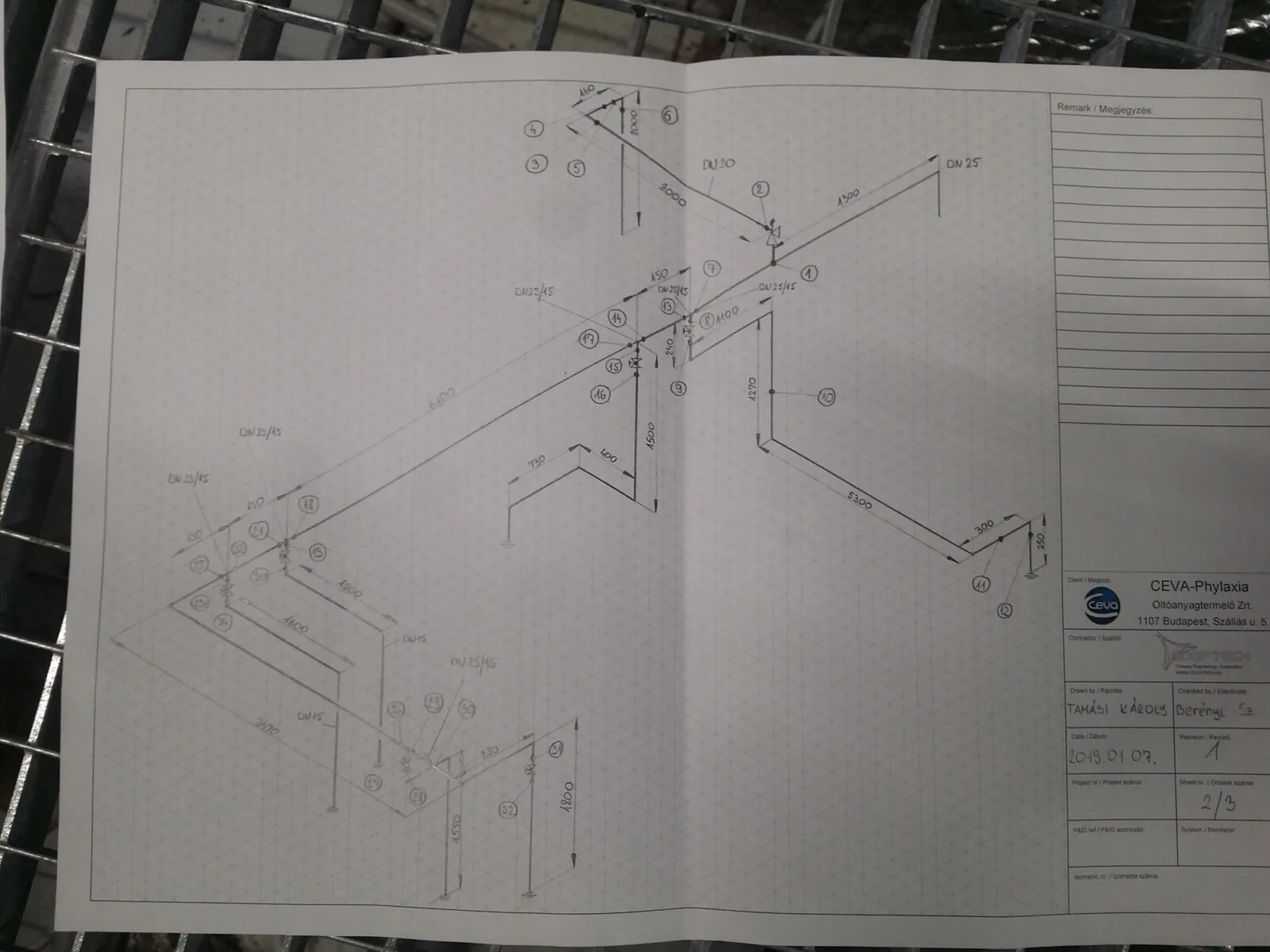
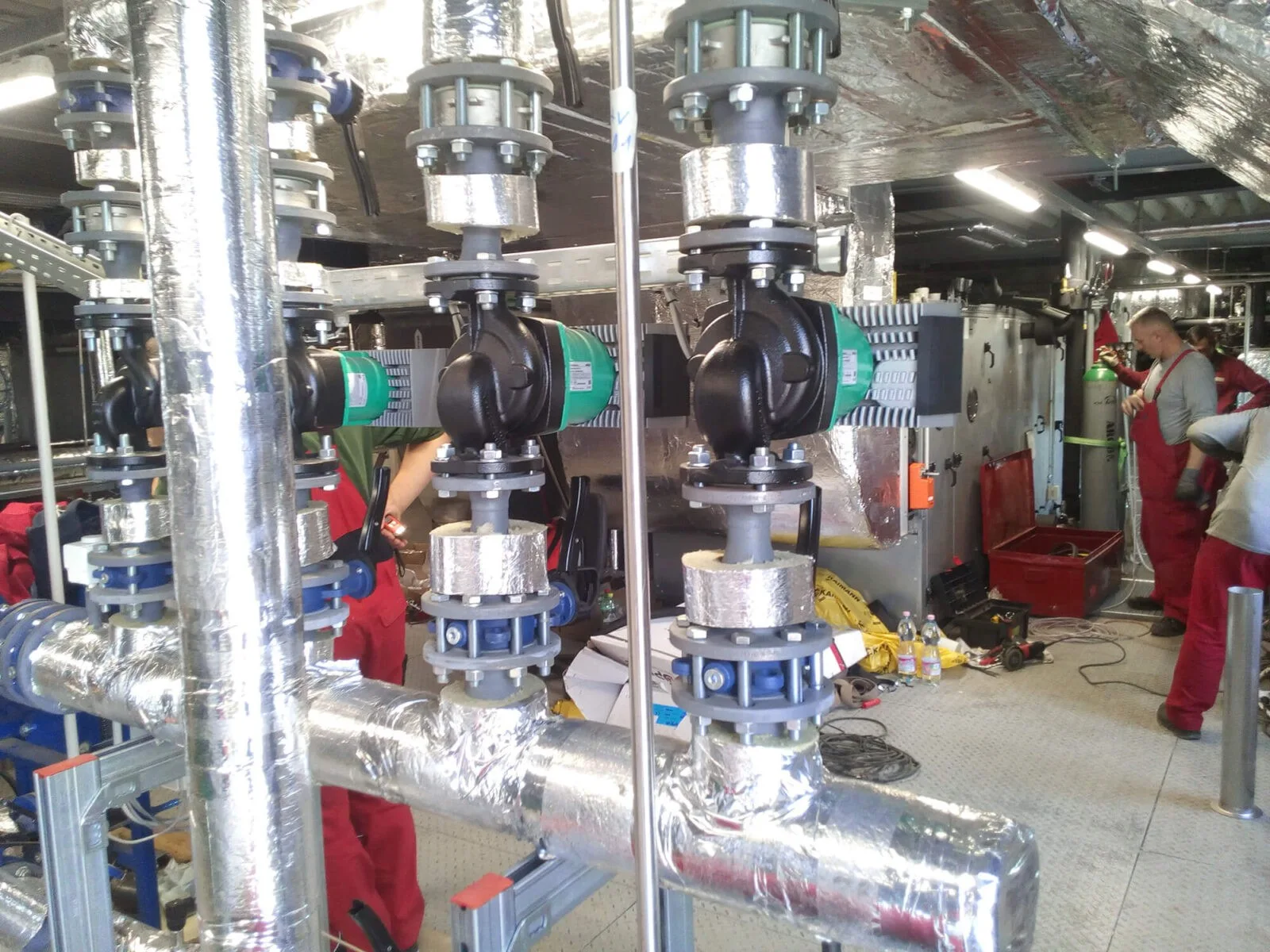
Cooptech produces all mechanical drawing documentation using its own database and 3D design capabilities. Starting from component and fitting lists/data sheets generated from process flow diagrams, we create visual plans for individual equipment and plant sections. The applied method allows for the spatial representation and modeling of piping networks, fittings, panels, instruments, equipment, devices, operator platforms, and all other components, thereby aiding the visual presentation of personnel and material flows and operational spaces. It also provides the opportunity to avoid clashes by incorporating data from electrical, pneumatic, and energy networks into the model.
Process Control, Automation
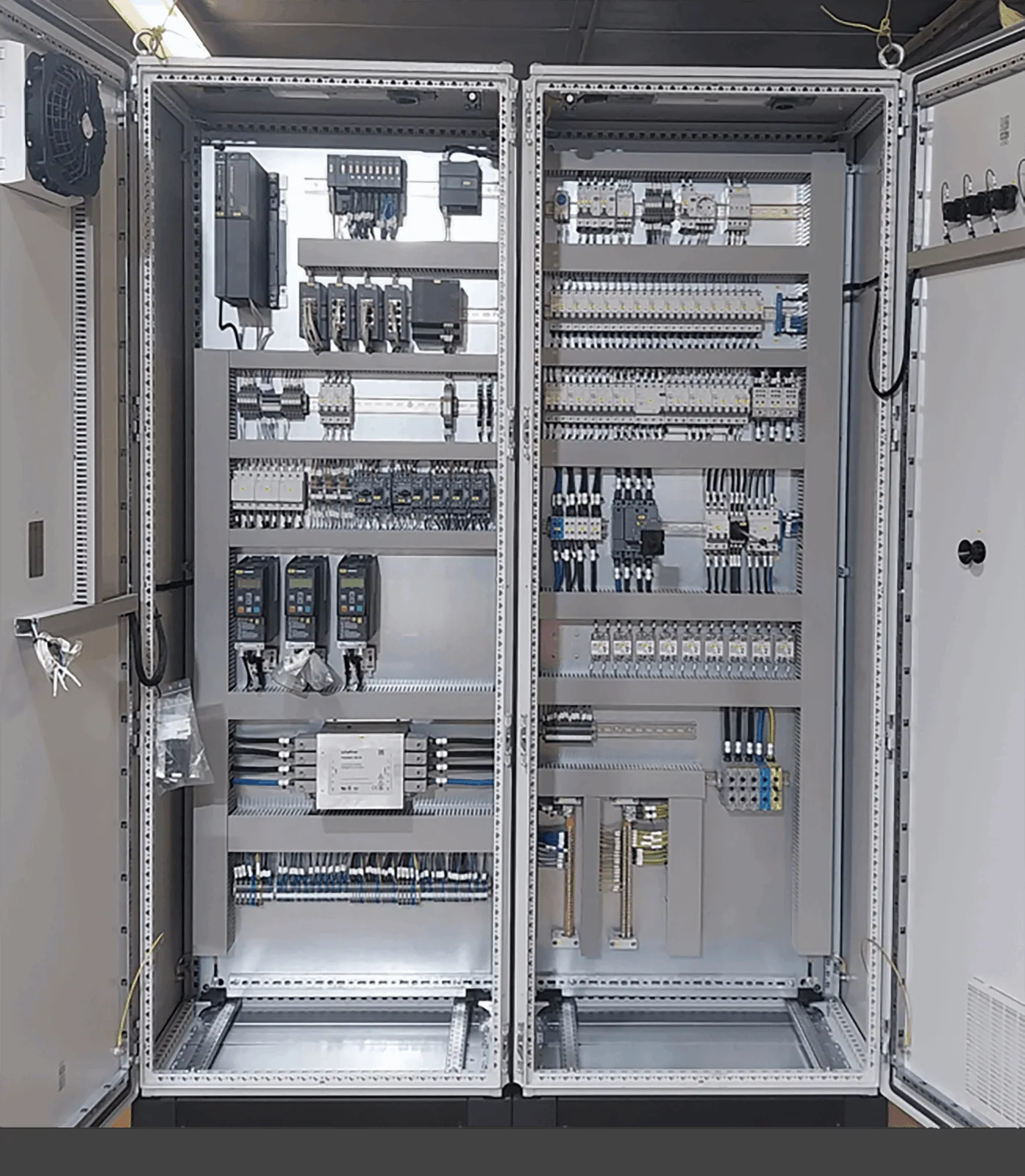
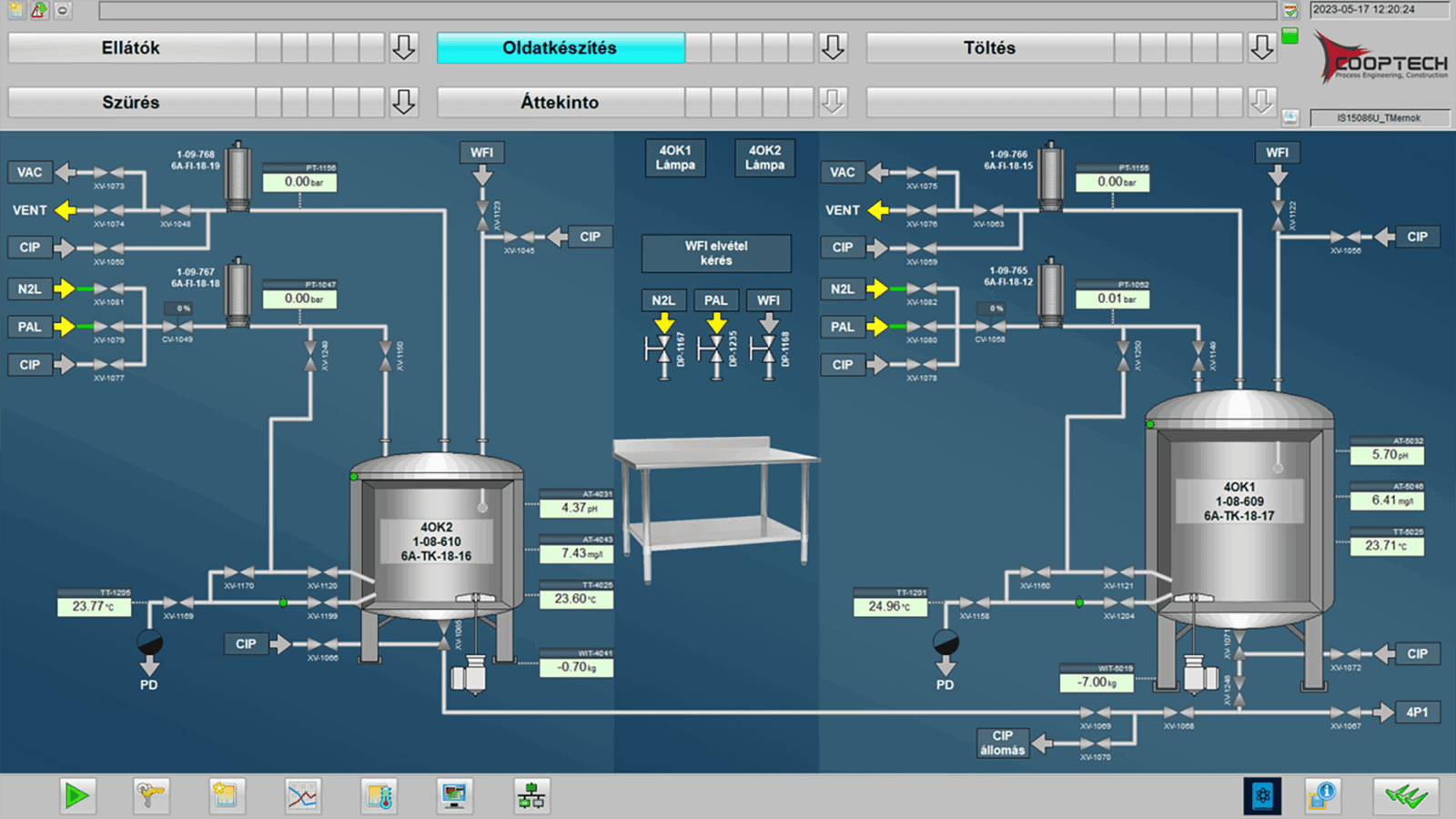
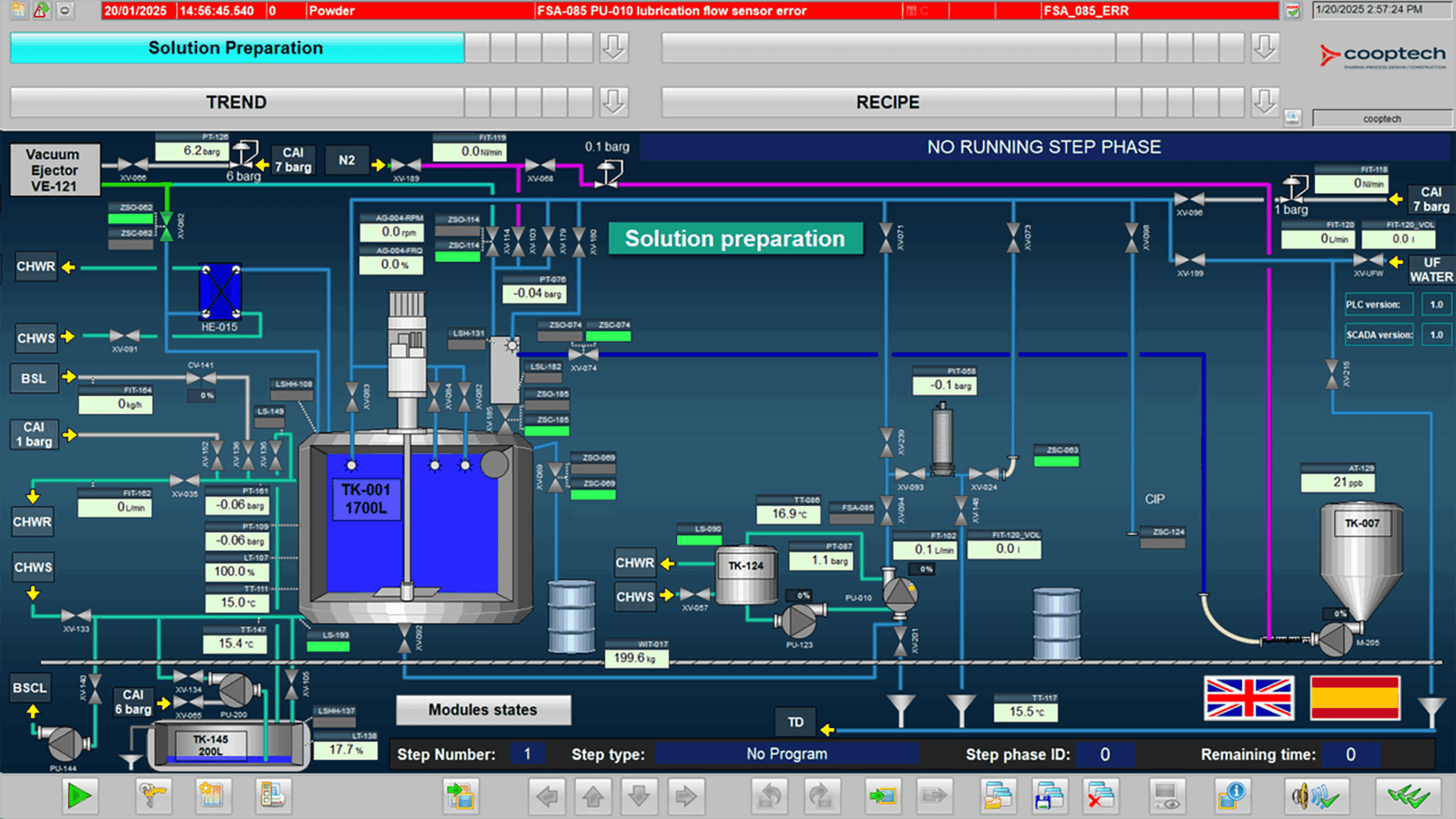
The process control and automation system is defined in the Hardware Design Specification (HDS) in accordance with the URS. We select the instruments required for the tasks. Using EPLAN, we determine the layout and wiring plans of electrical cabinets, I/O lists, and the installation plan of the cable system. According to the Client’s requirements, we develop the Control Functional Specifications (CFS) for the systems.